Vilma
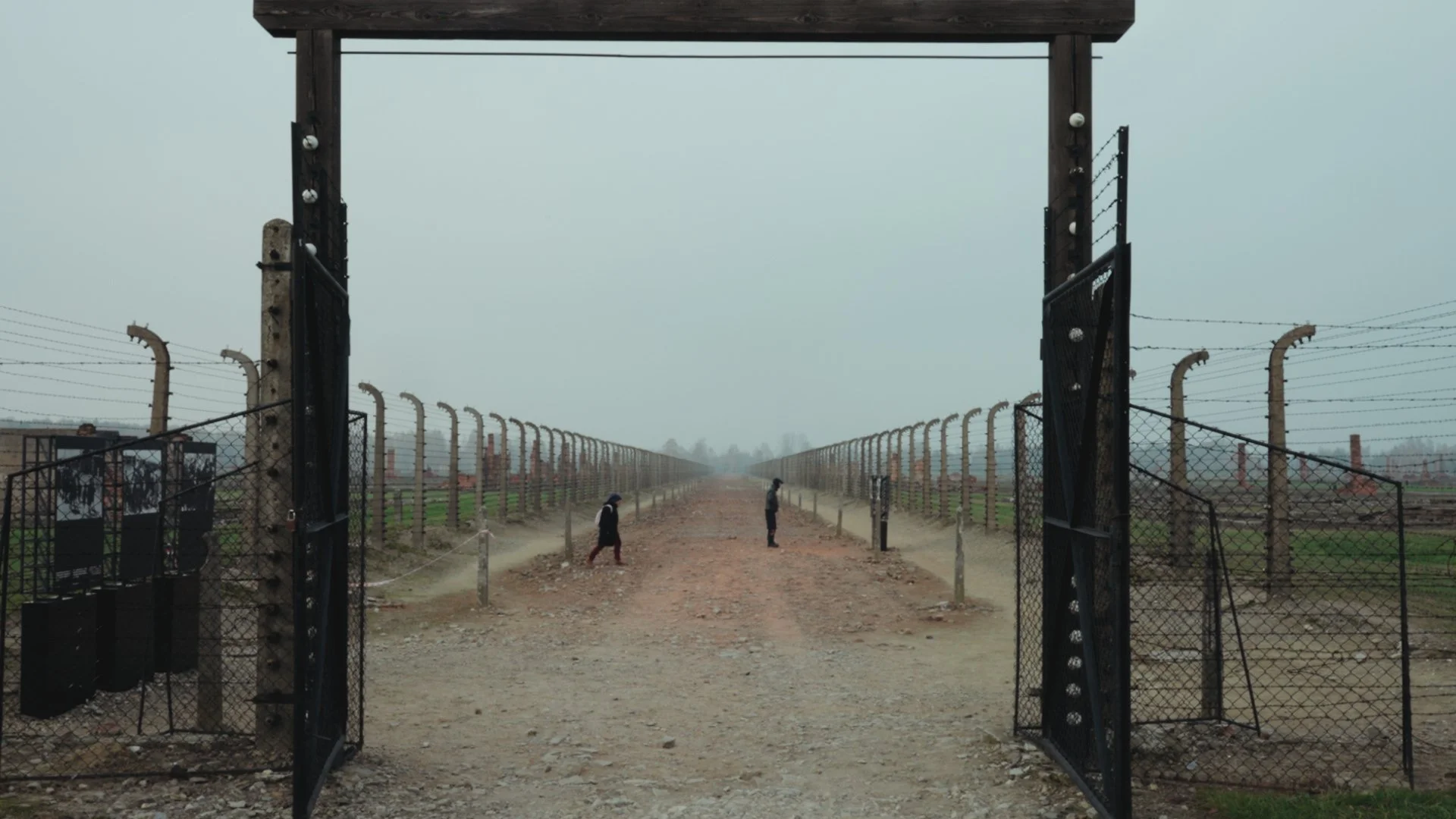
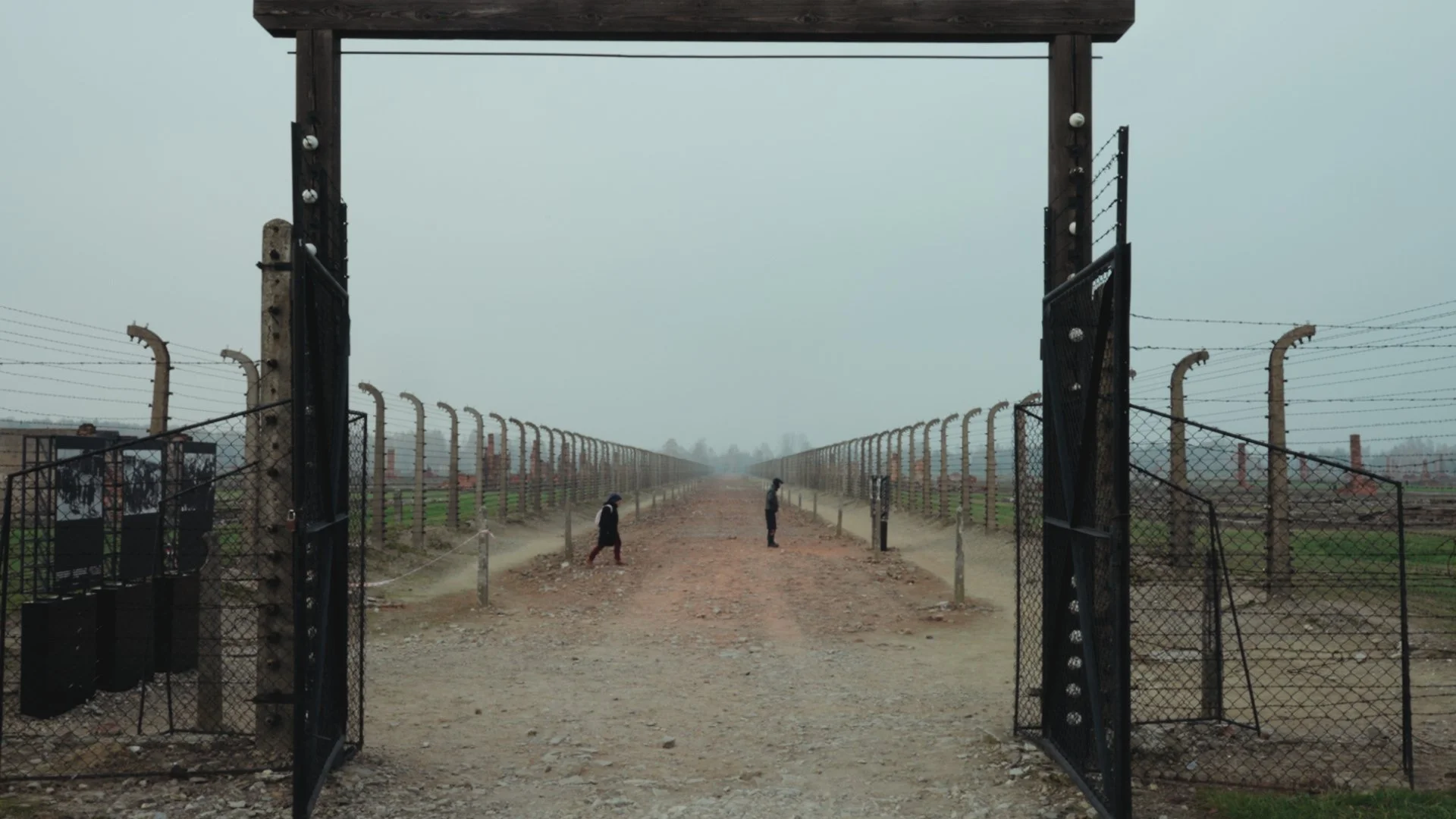
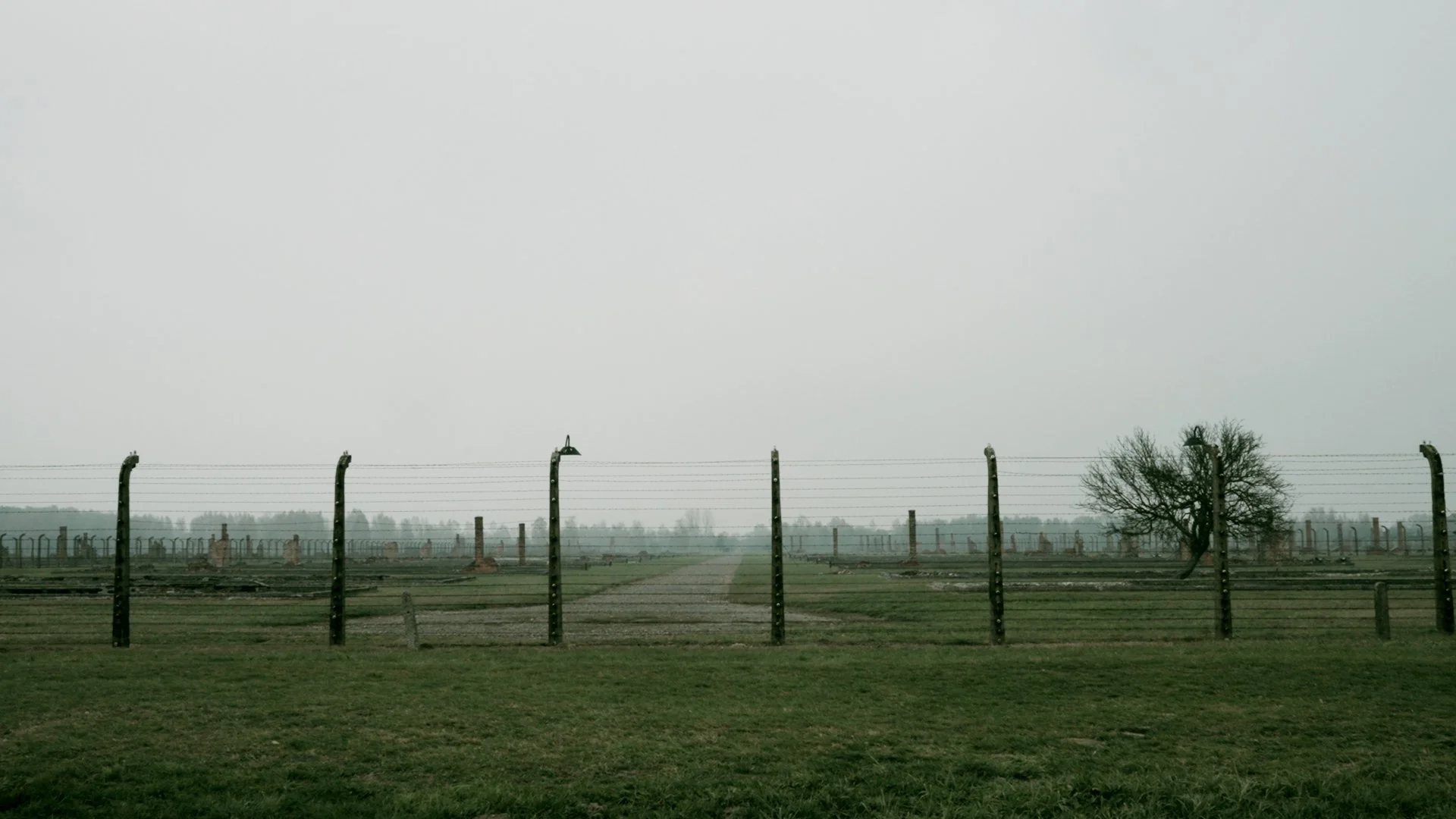
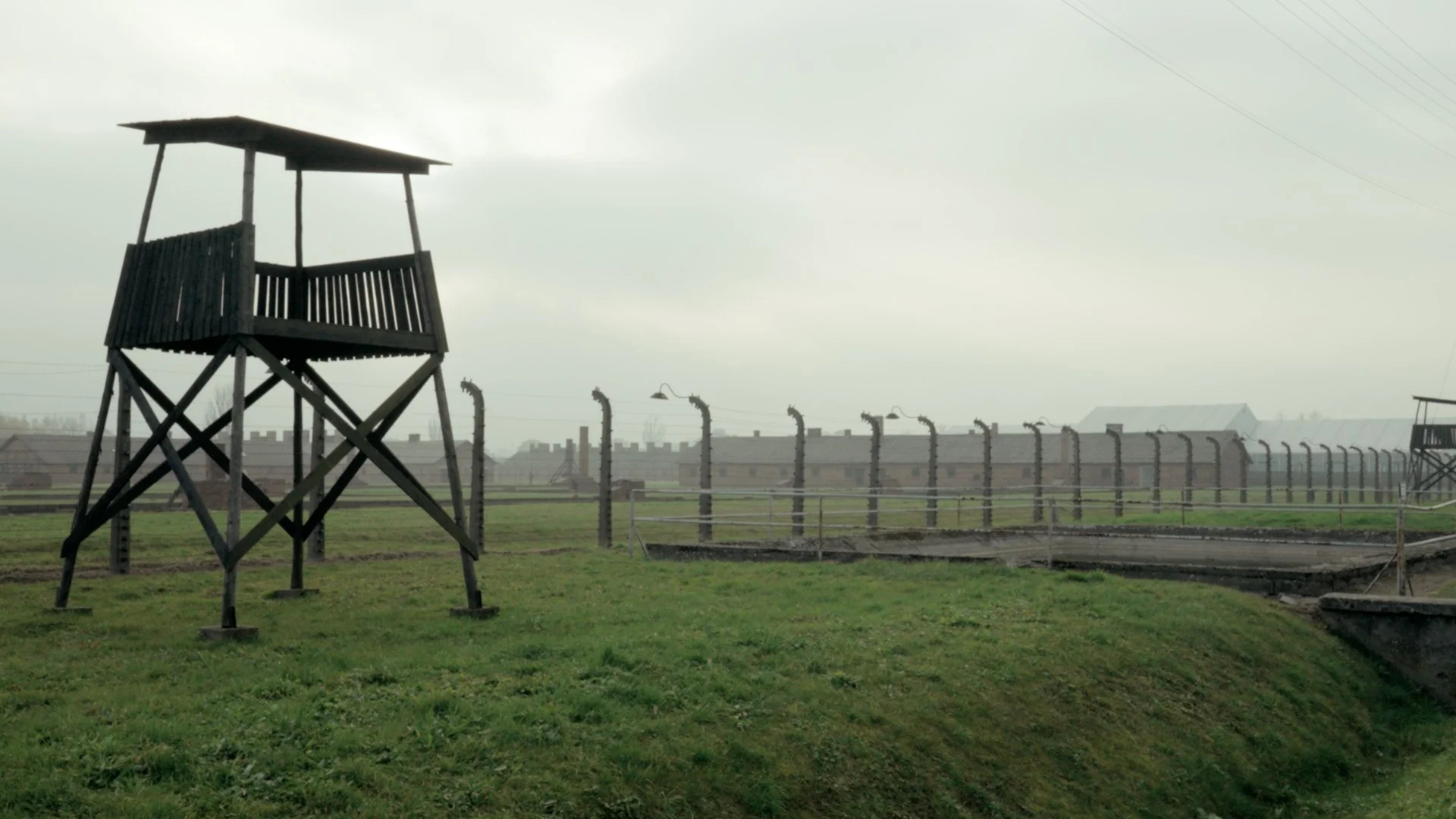
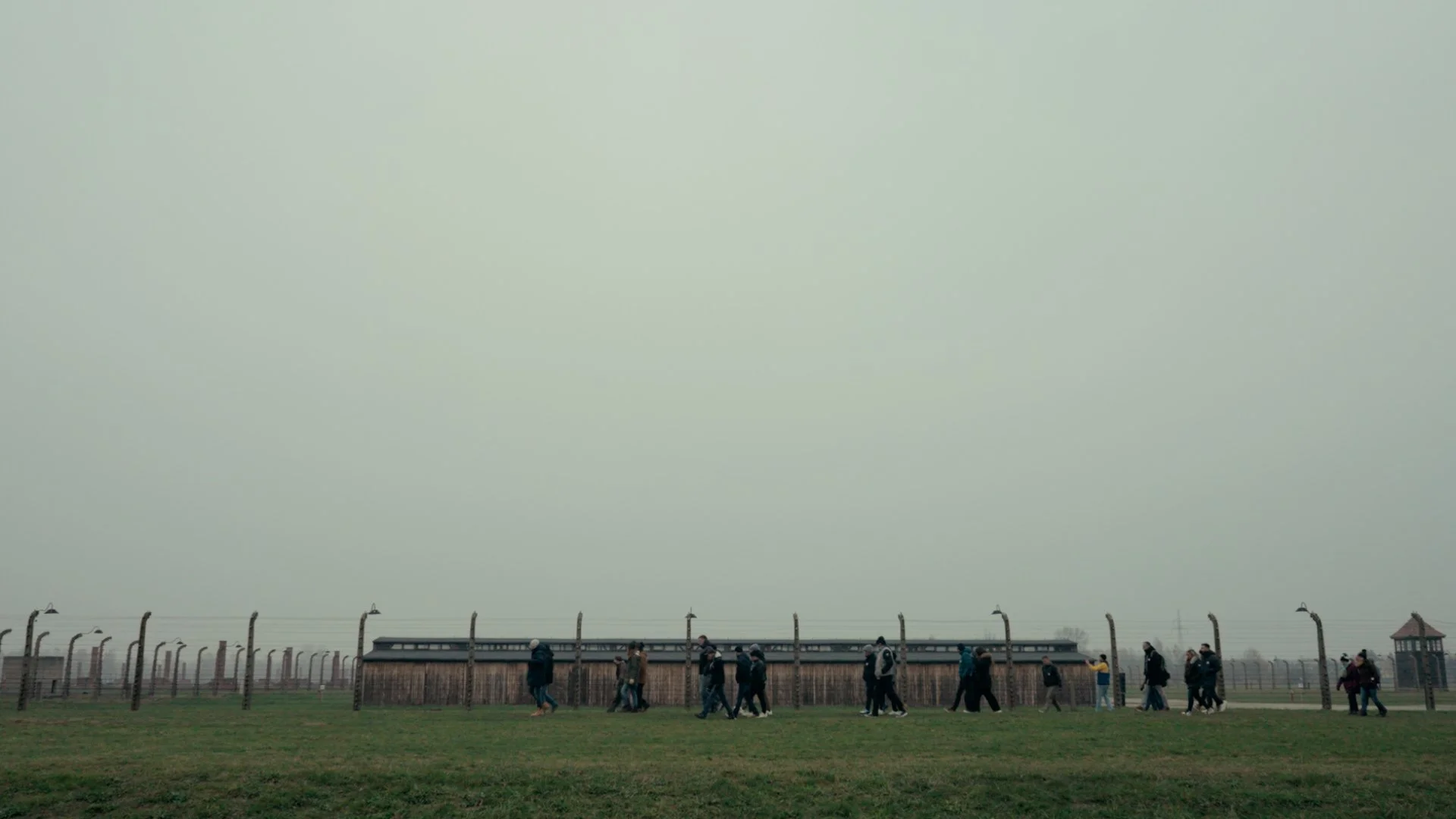
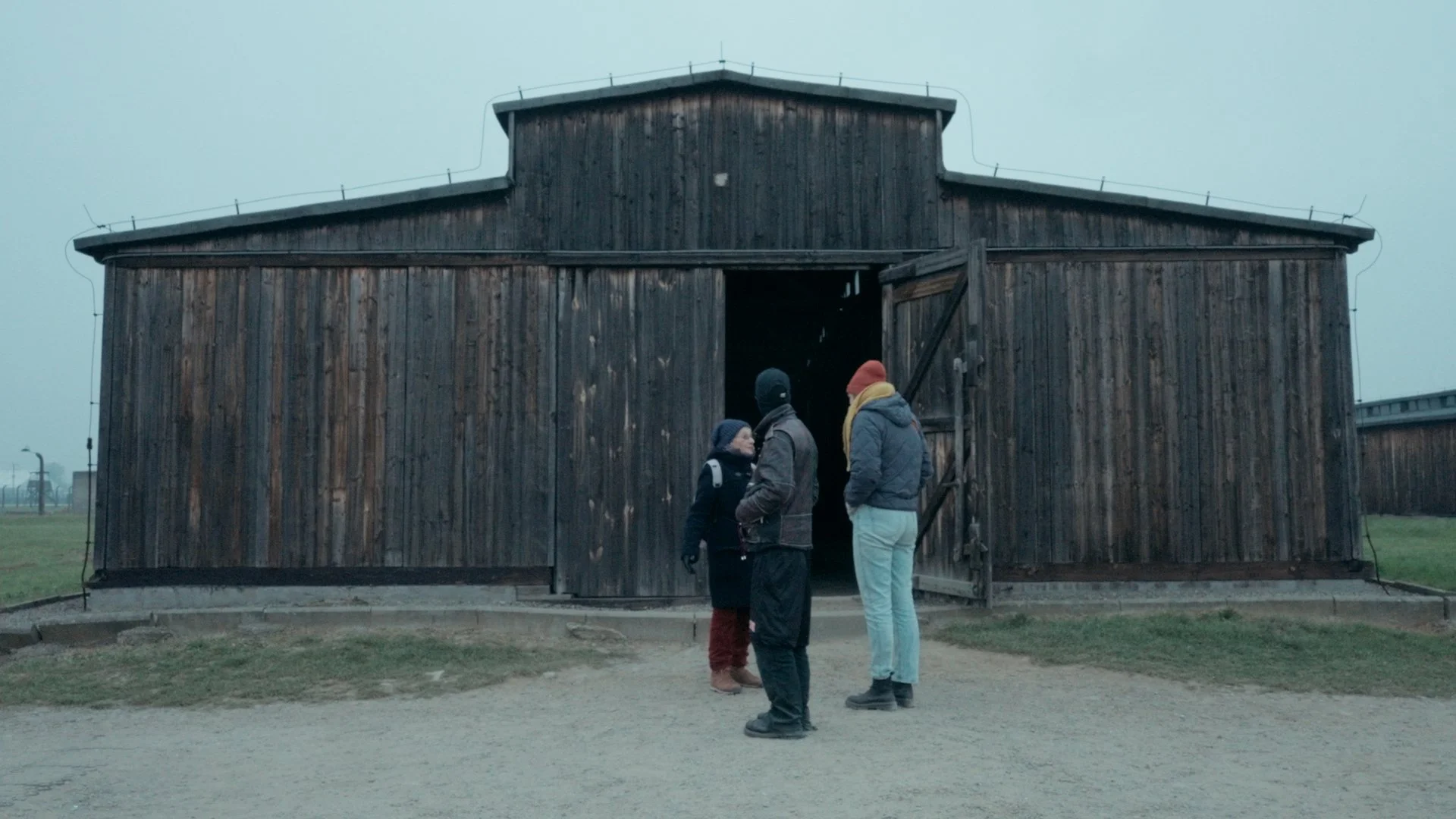
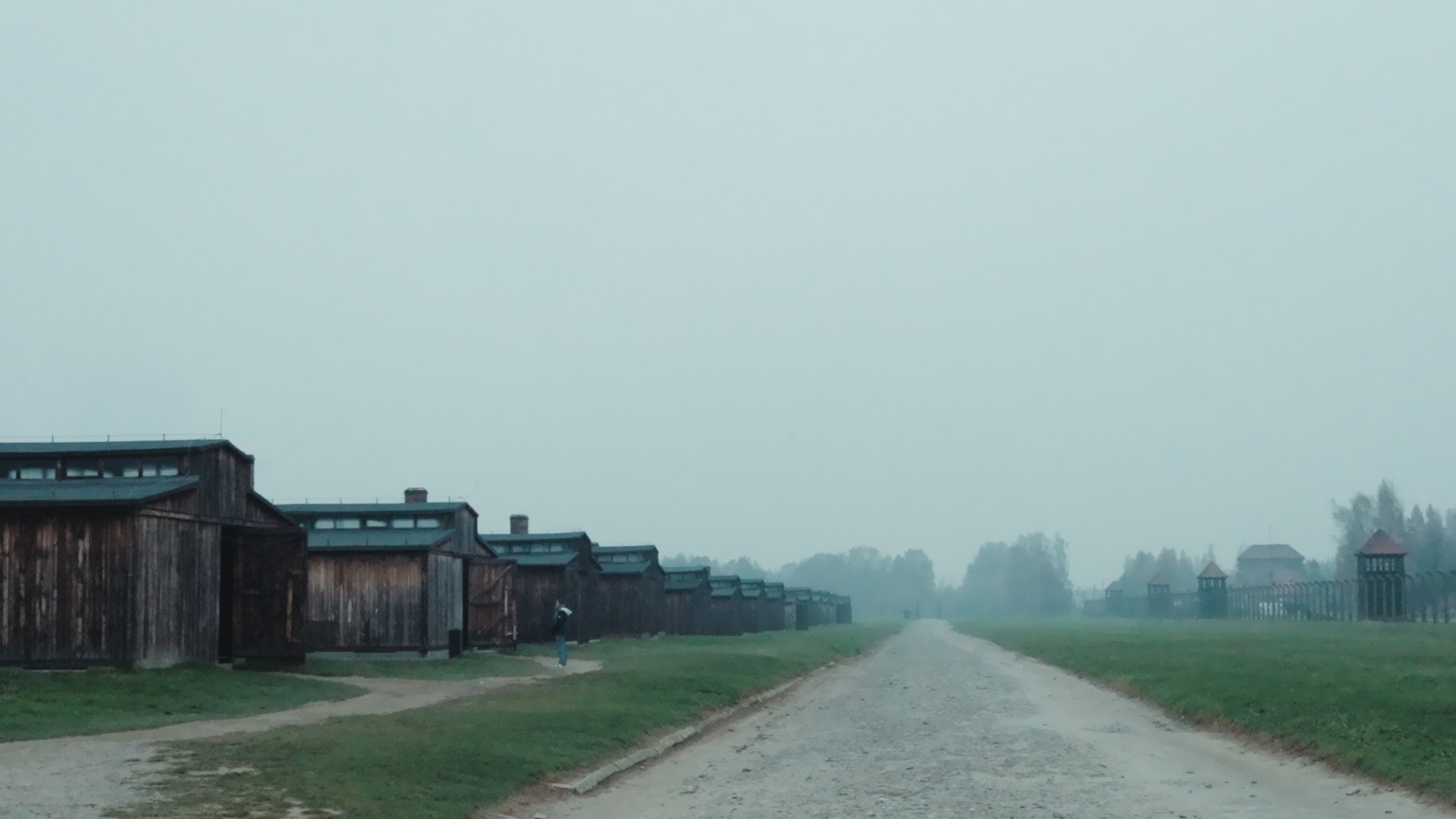
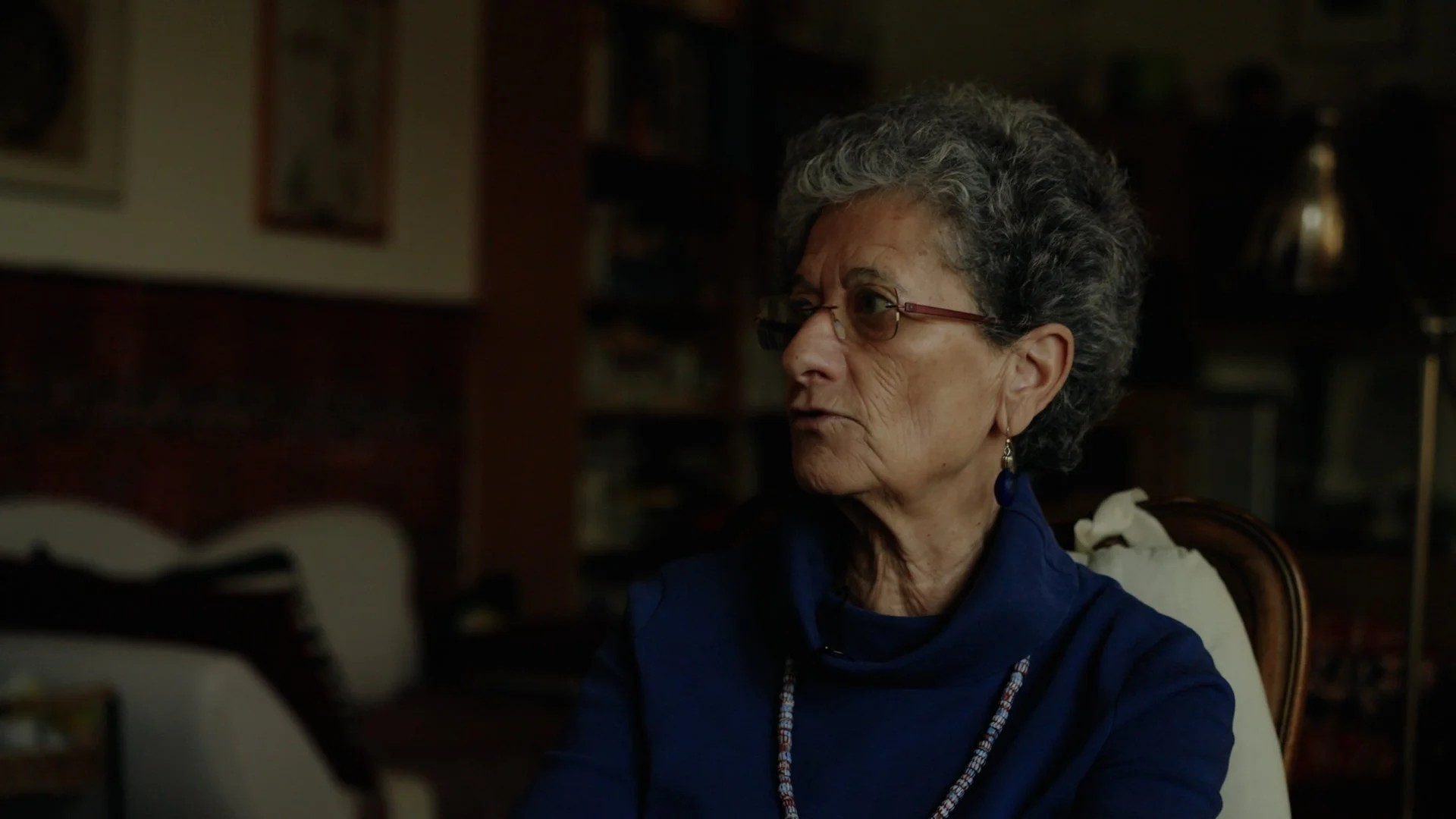
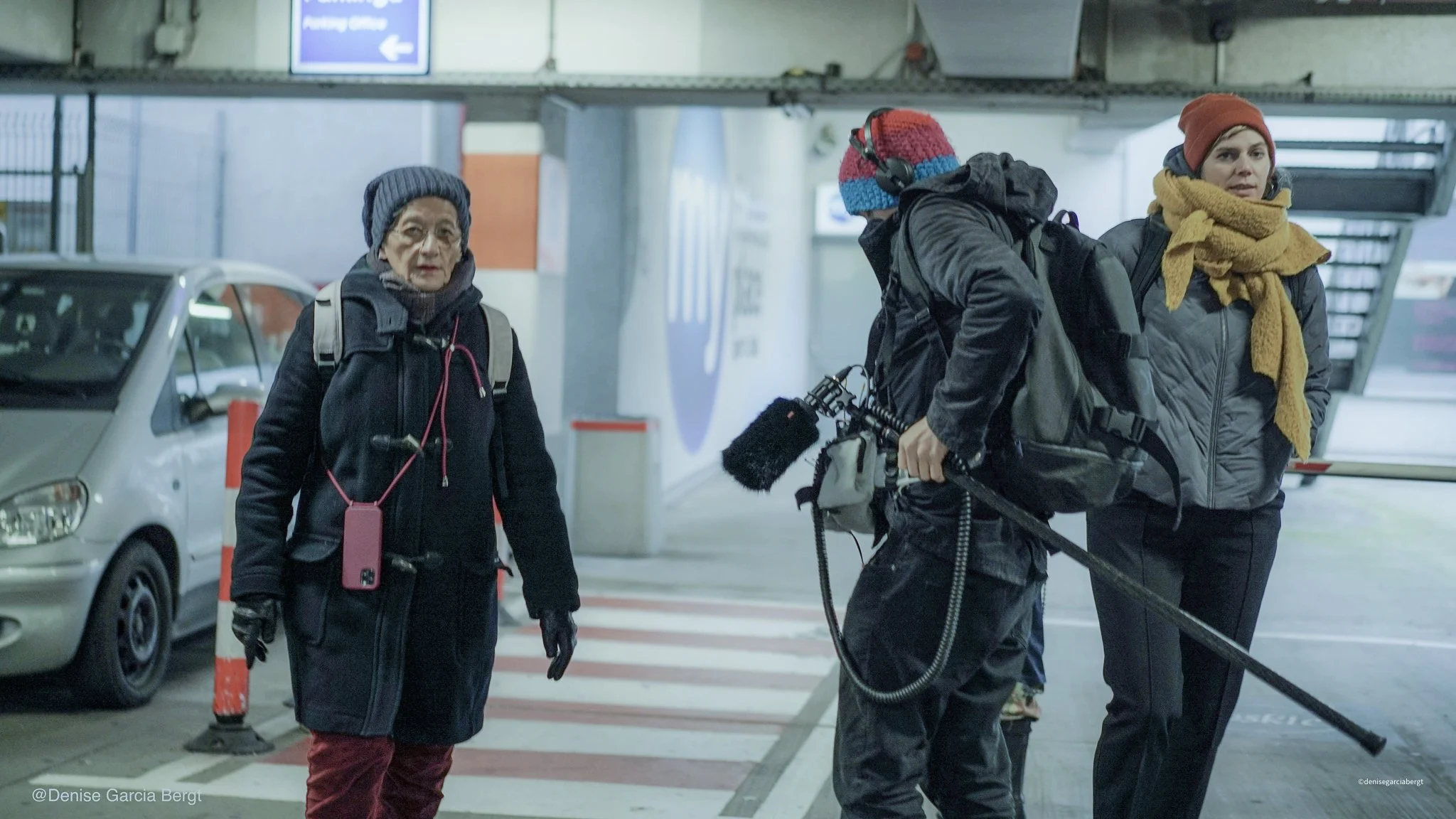
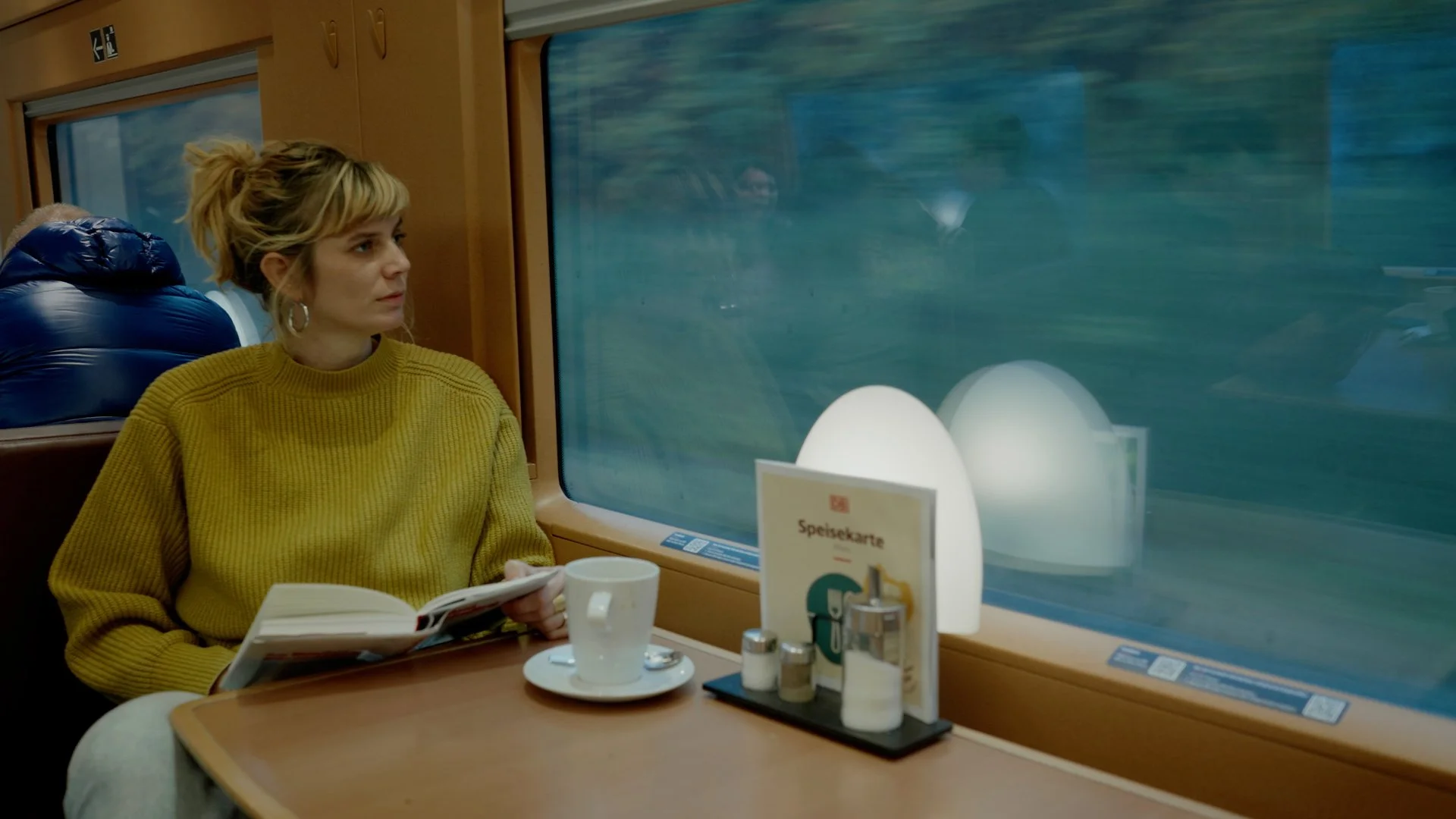
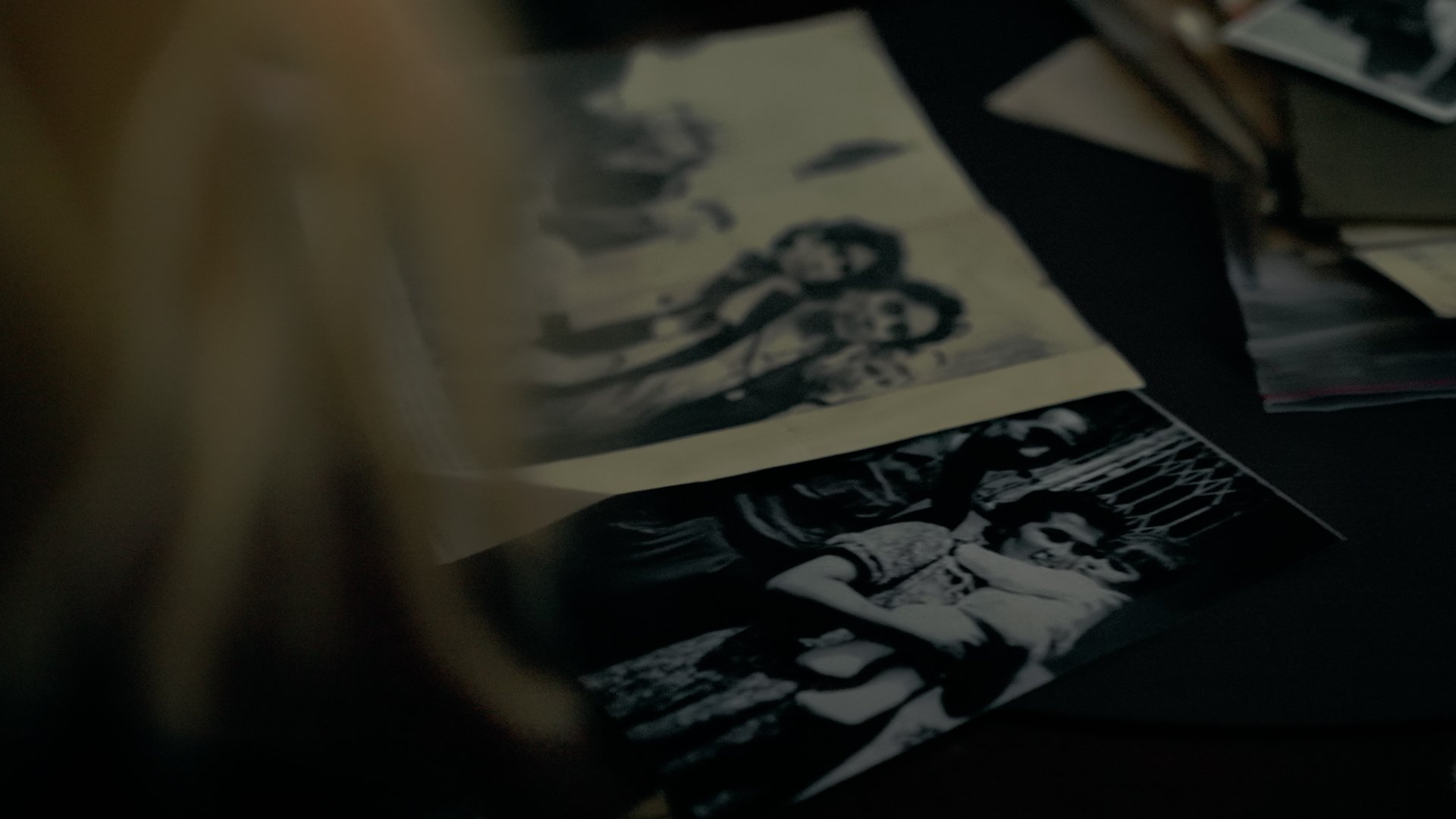
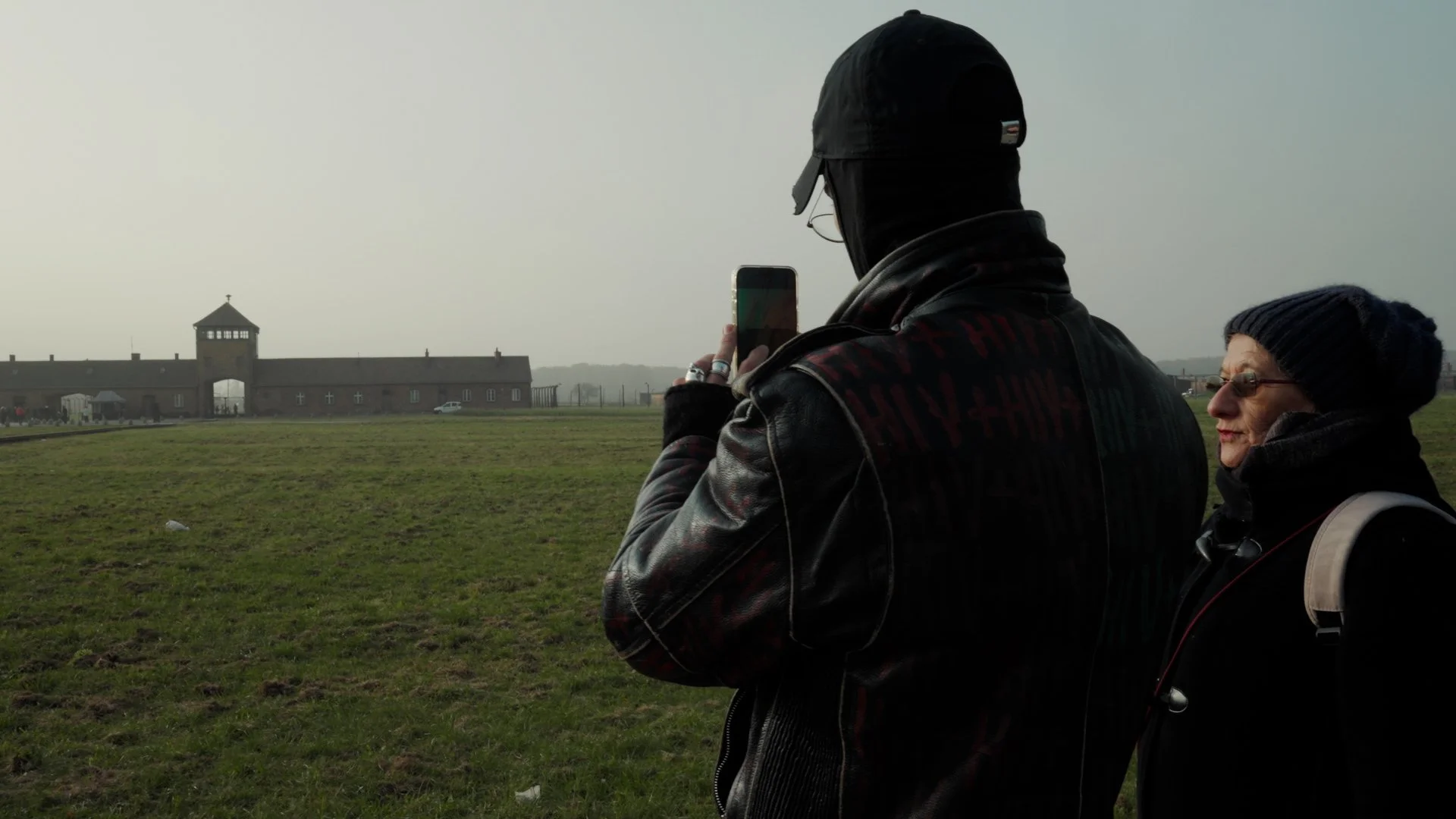
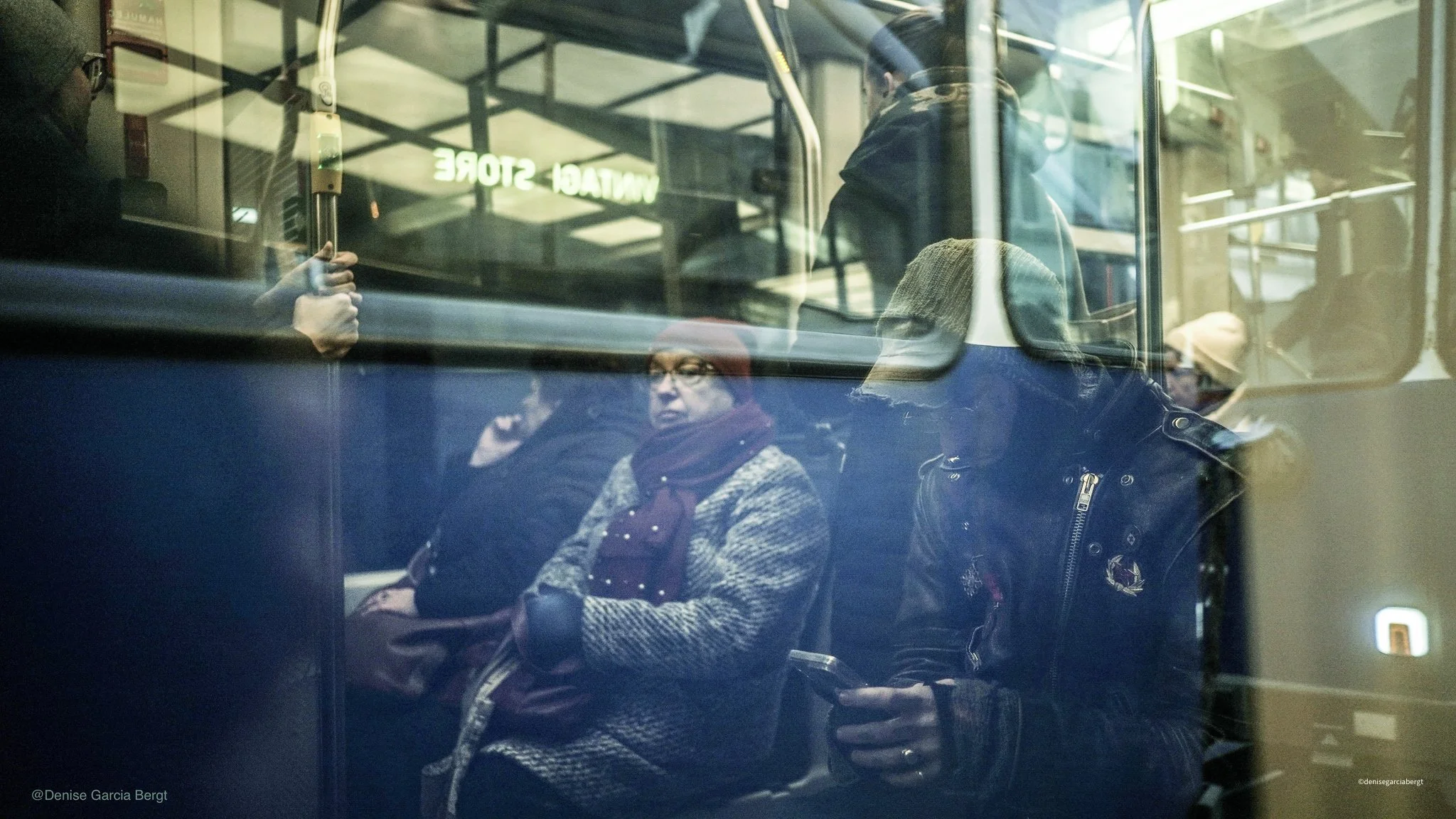
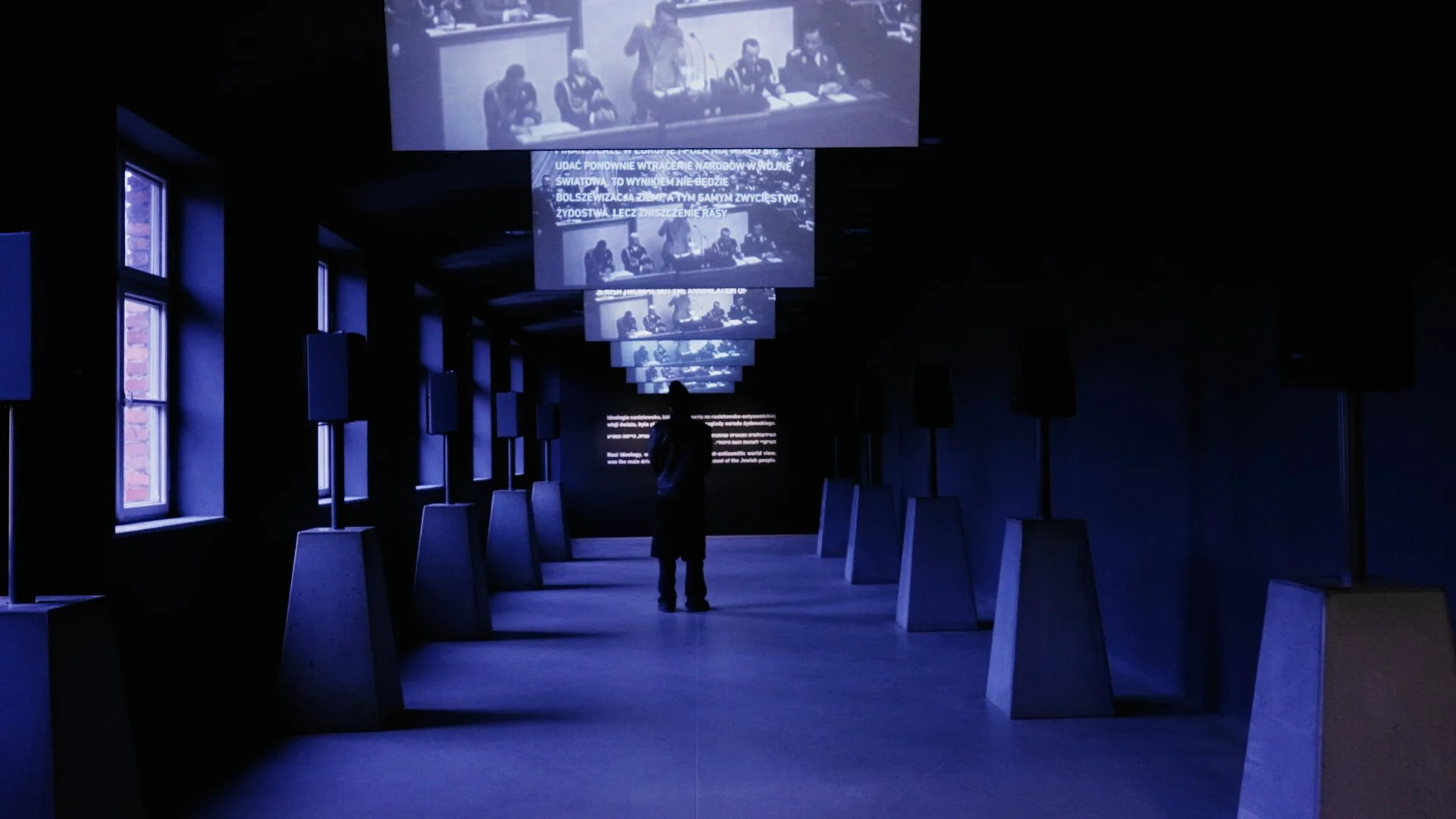
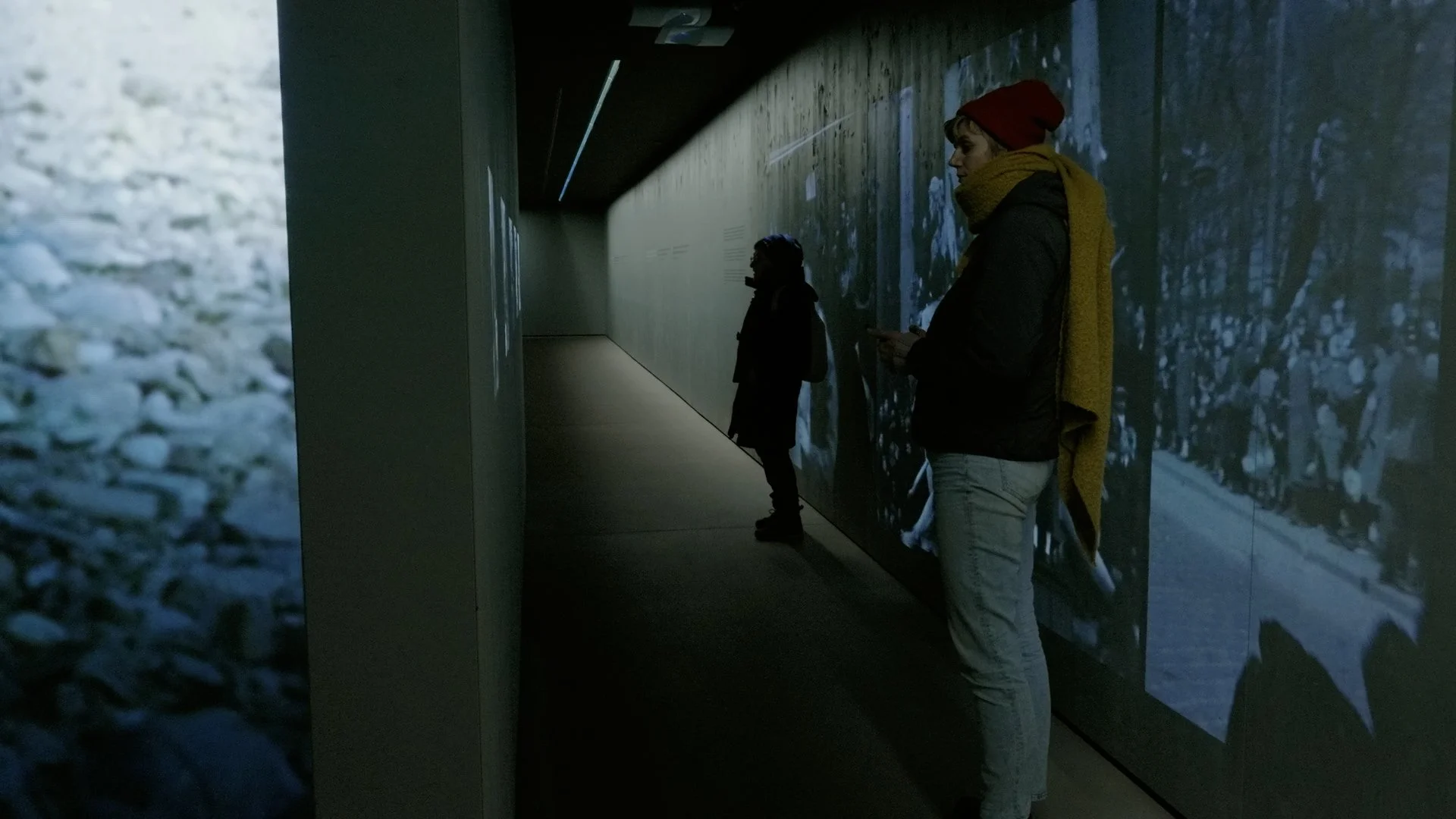
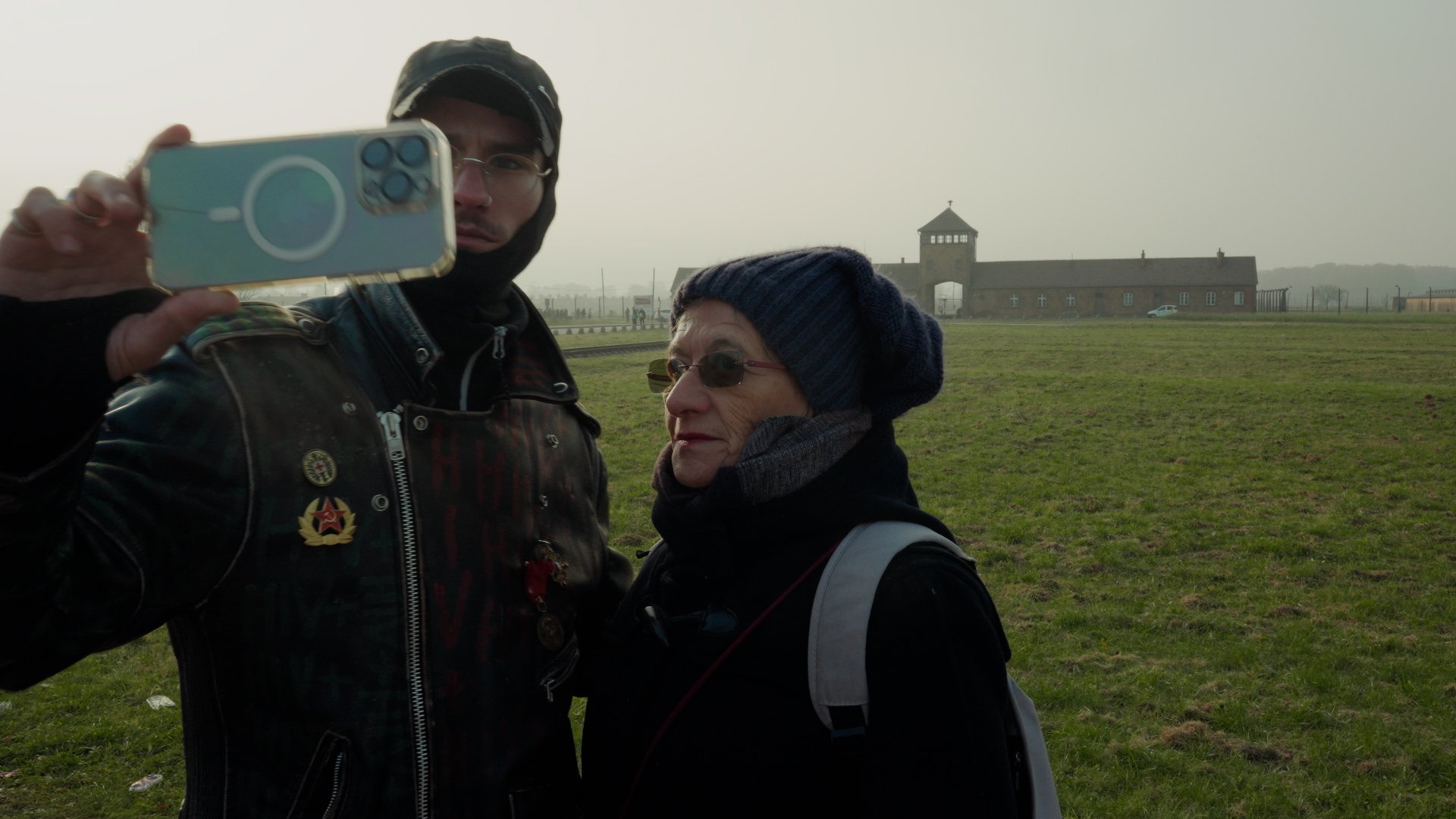
I am currently the cinematographer on Vilma, a feature-length documentary directed by Bianca Theis. The film follows the trail of communist, Jewish resistance fighter and Holocaust survivor Vilma Steindling. VILMA explores how courage, trauma, and political legacy continue to resonate across three generations and what memory means today.
Ich bin derzeit Cinematographer bei Vilma, einem dokumentarischen Langfilm von Bianca Theis über Auf den Spuren der kommunistischen, jüdischen Widerstandskämpferin und Holocaustüberlebenden Vilma Steindling untersucht der Dokumentarfilm VILMA, wie Mut, Trauma und politisches Erbe über drei Generationen weiterwirken und was Erinnerung heute bedeutet.
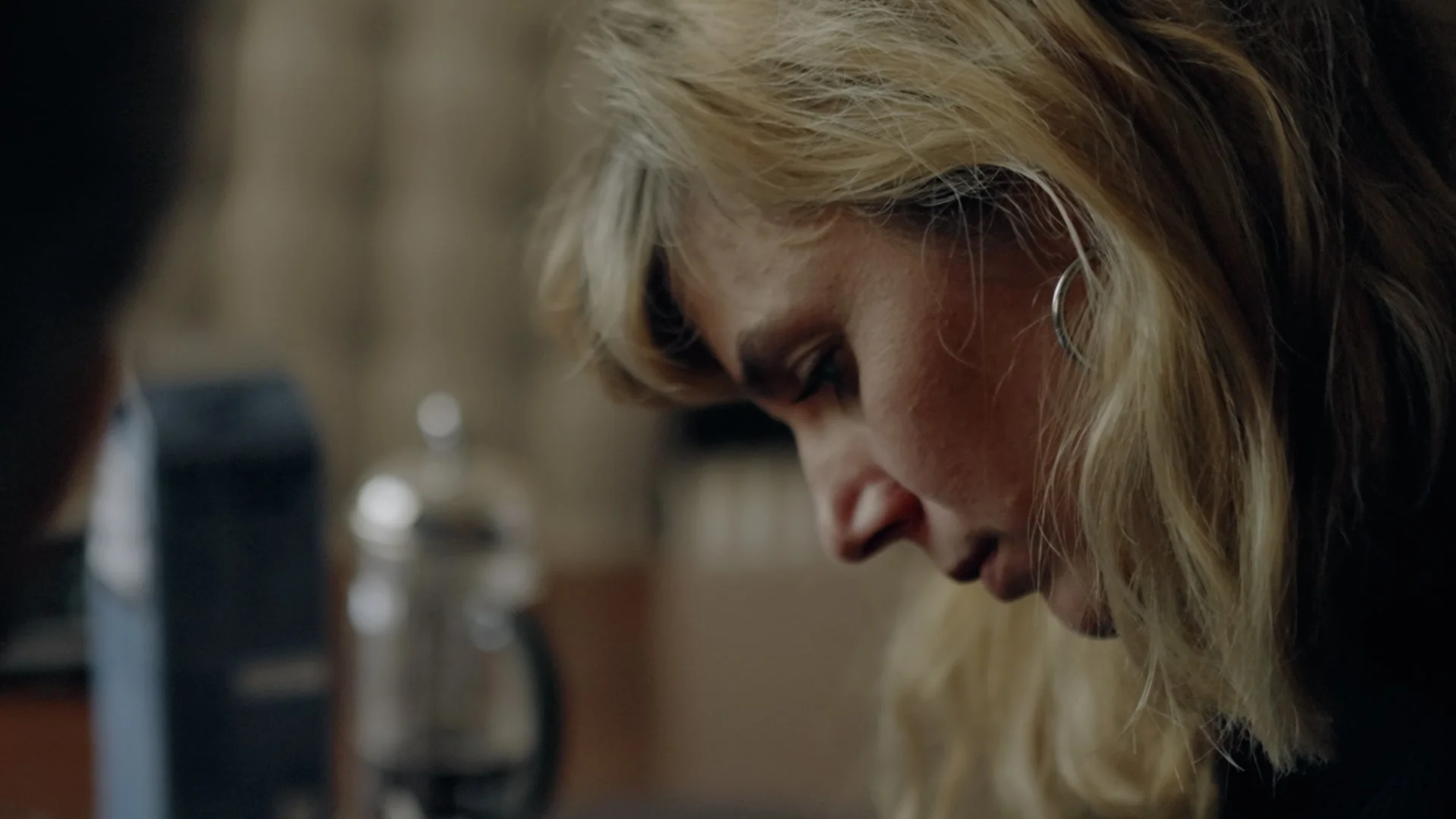
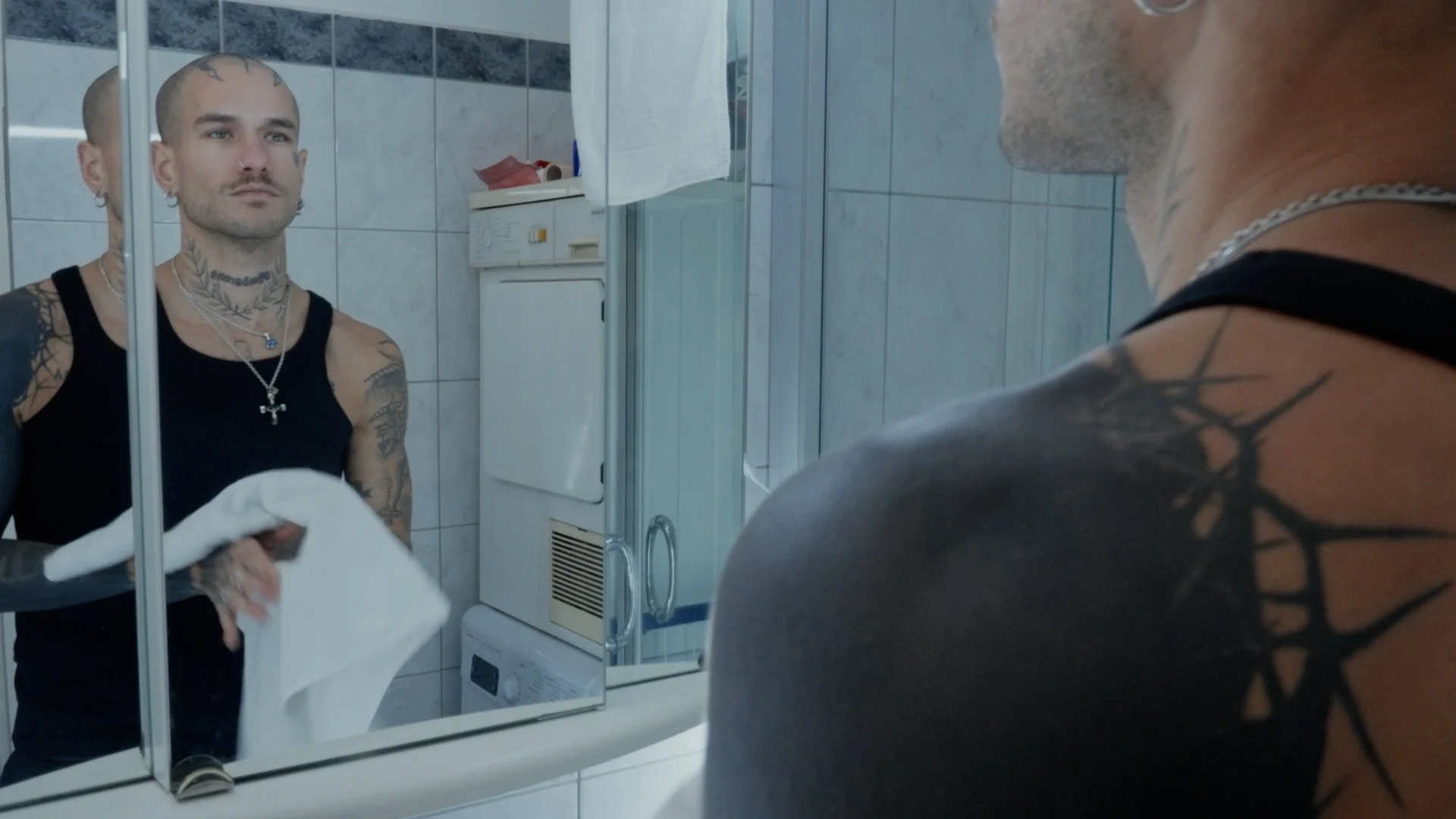
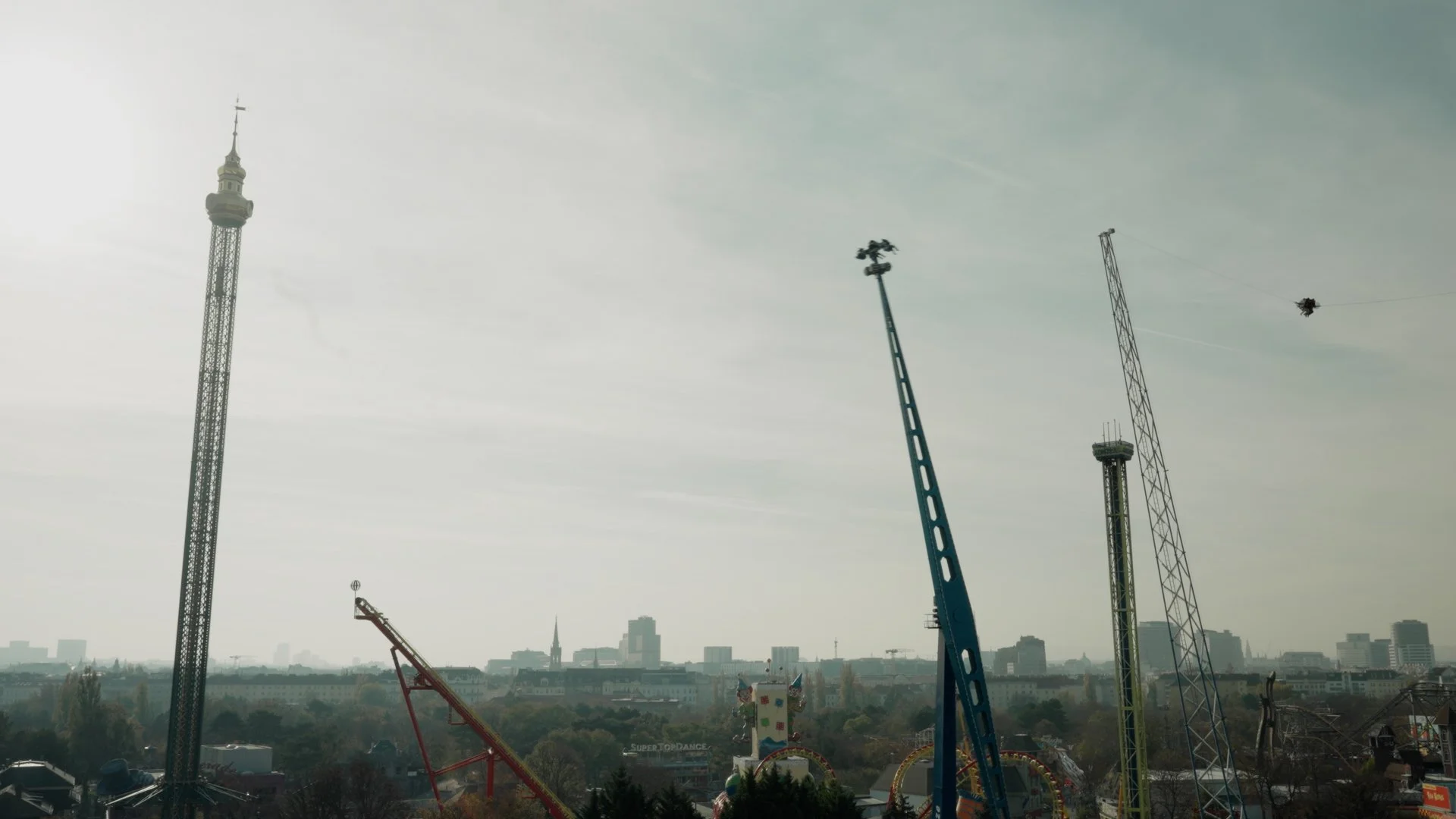
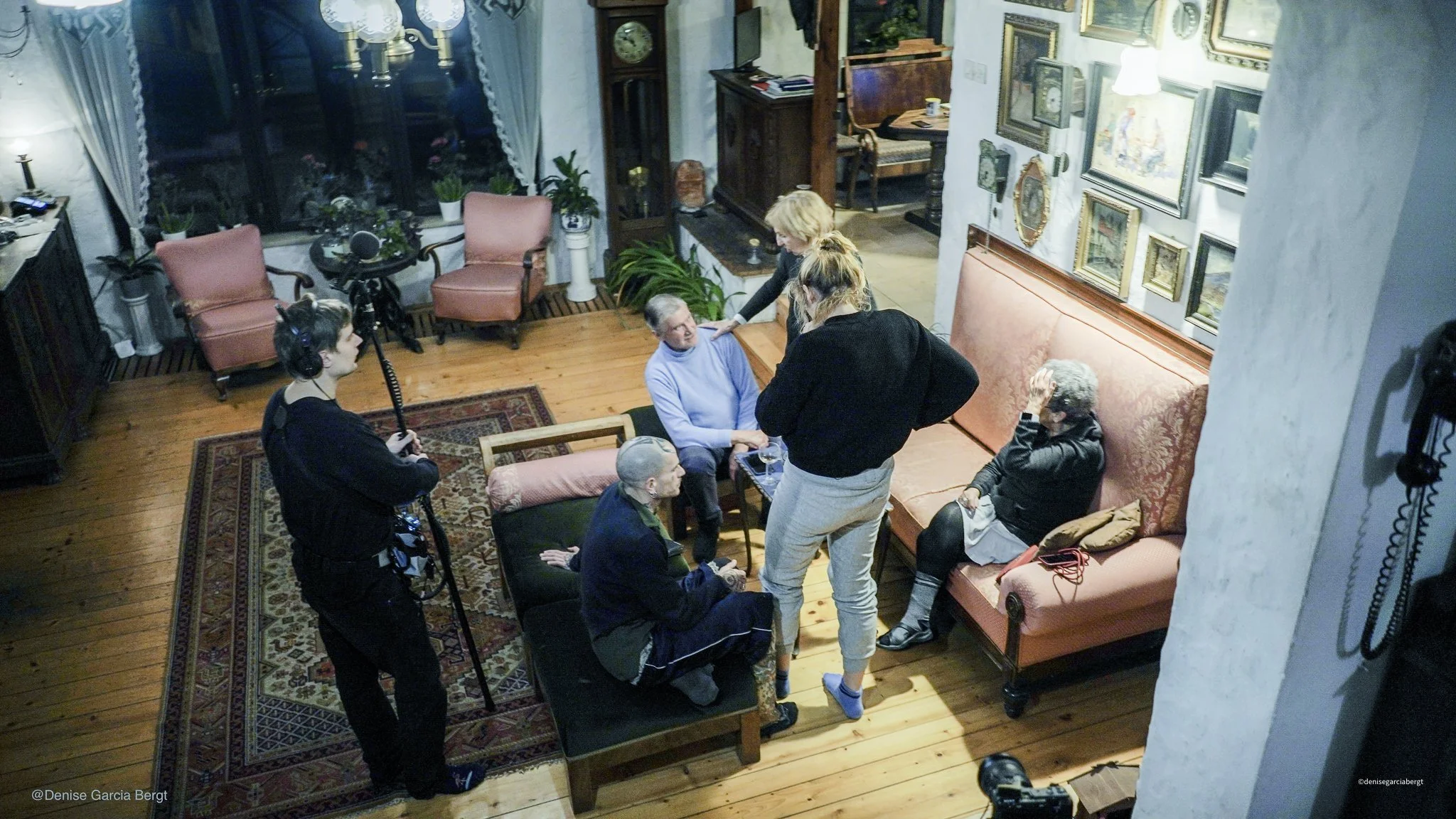
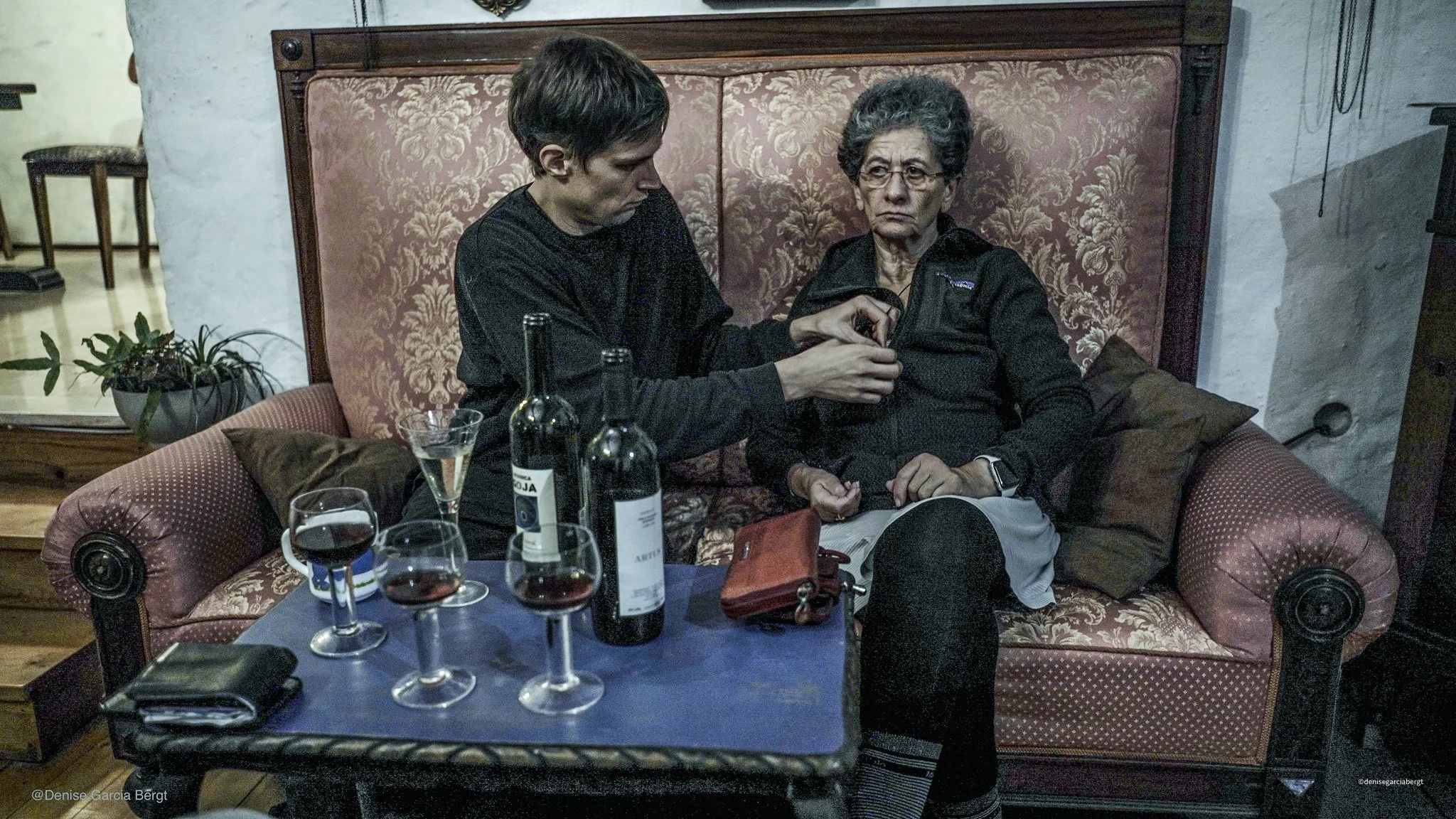
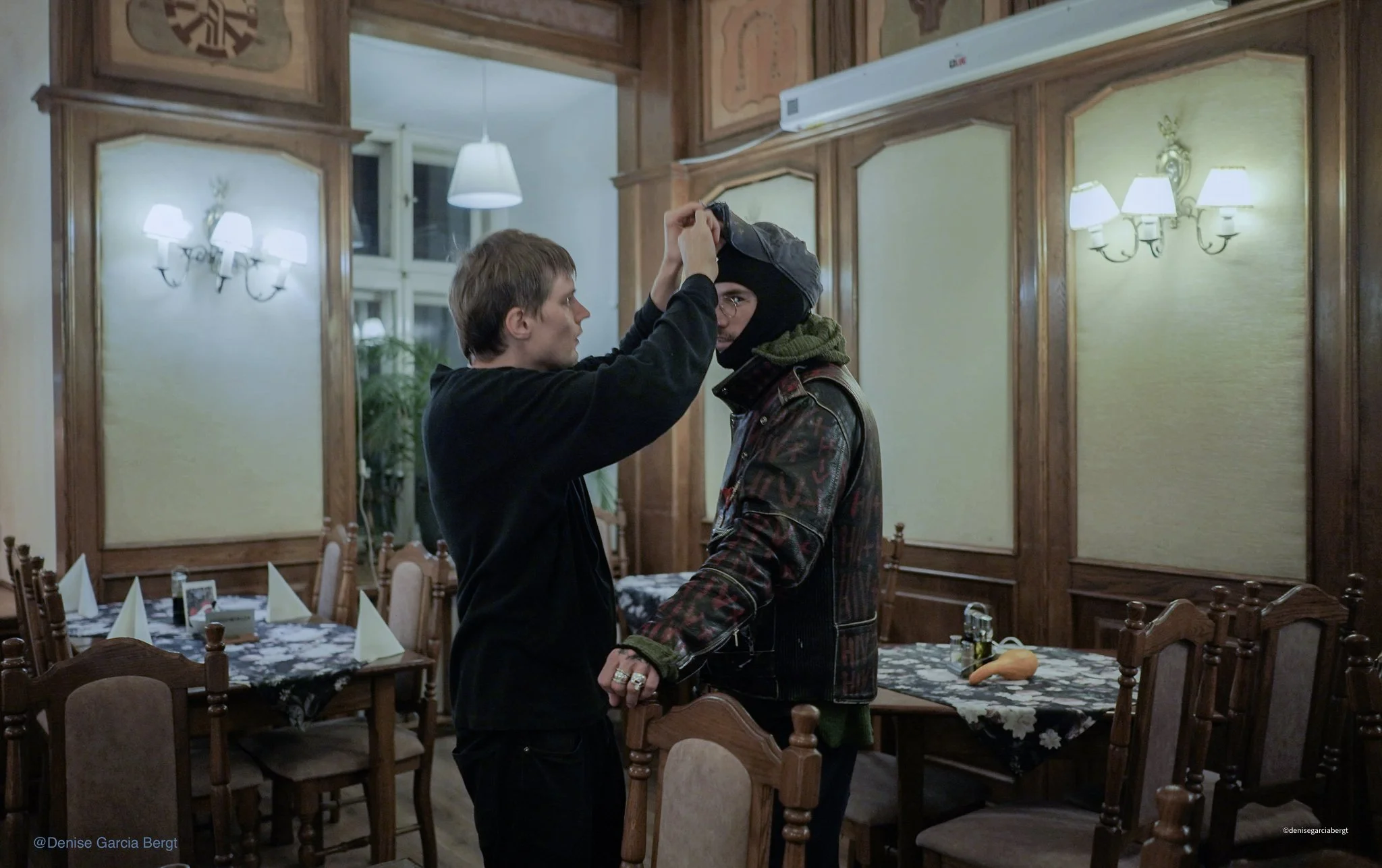
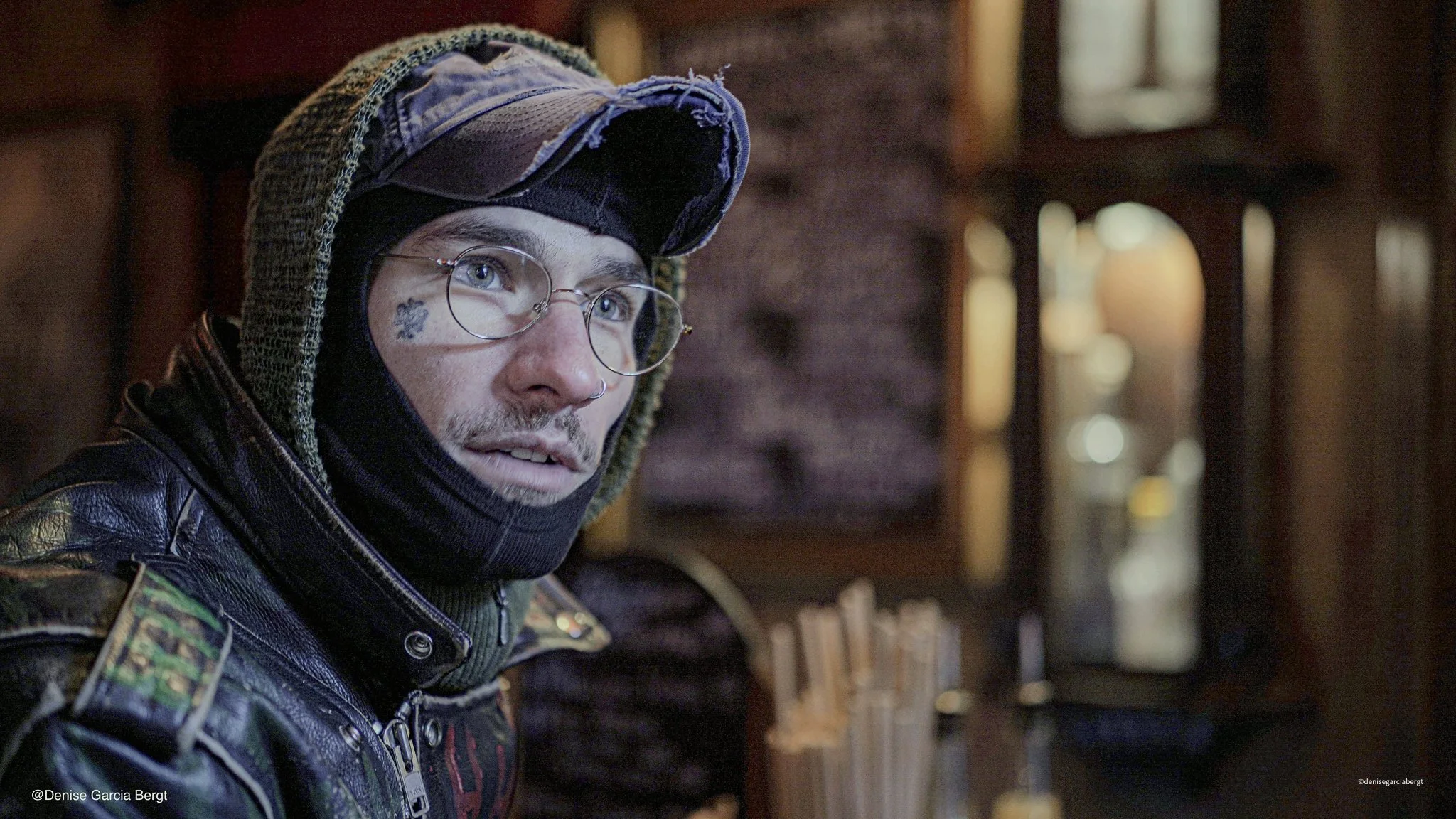
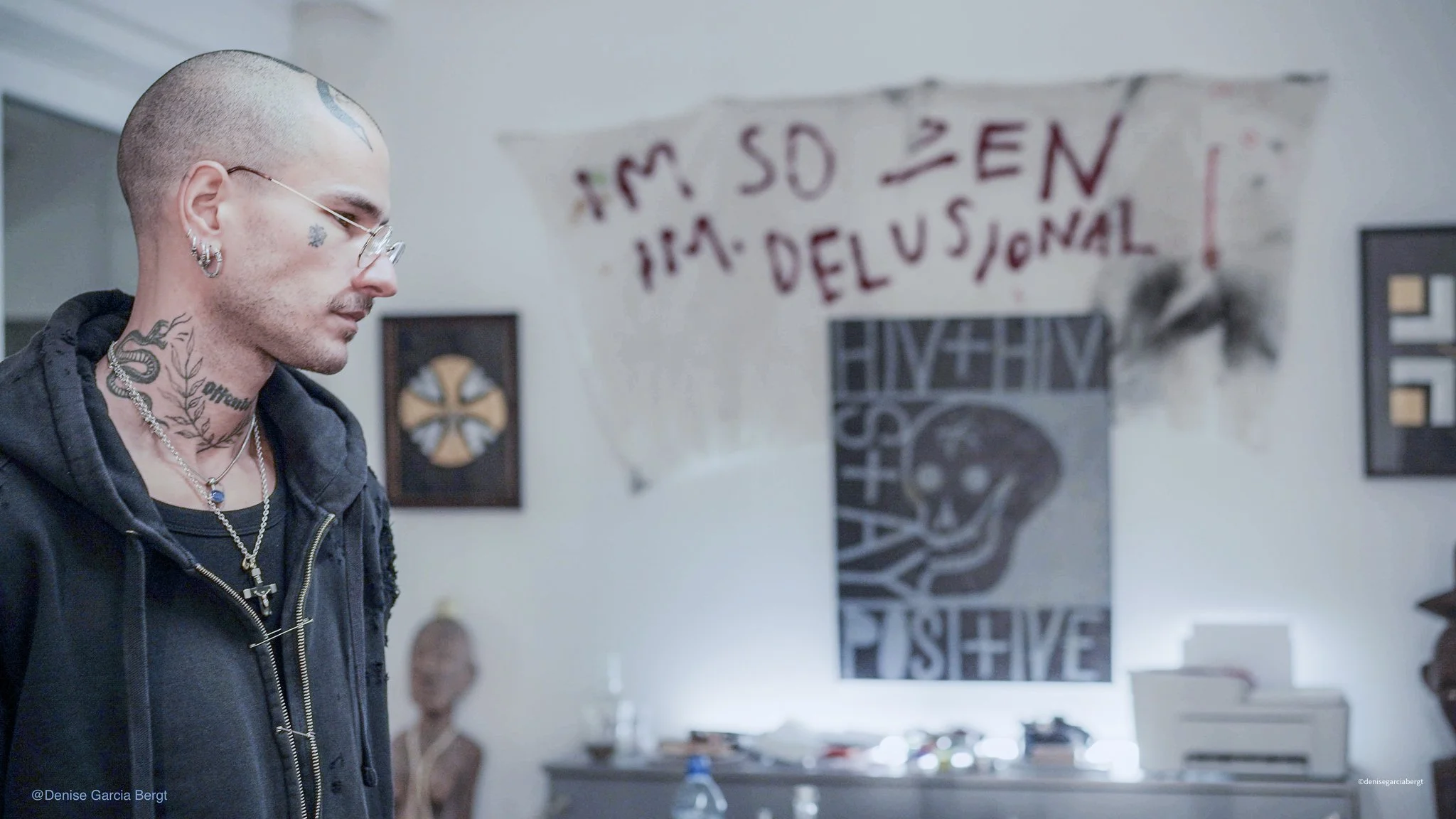
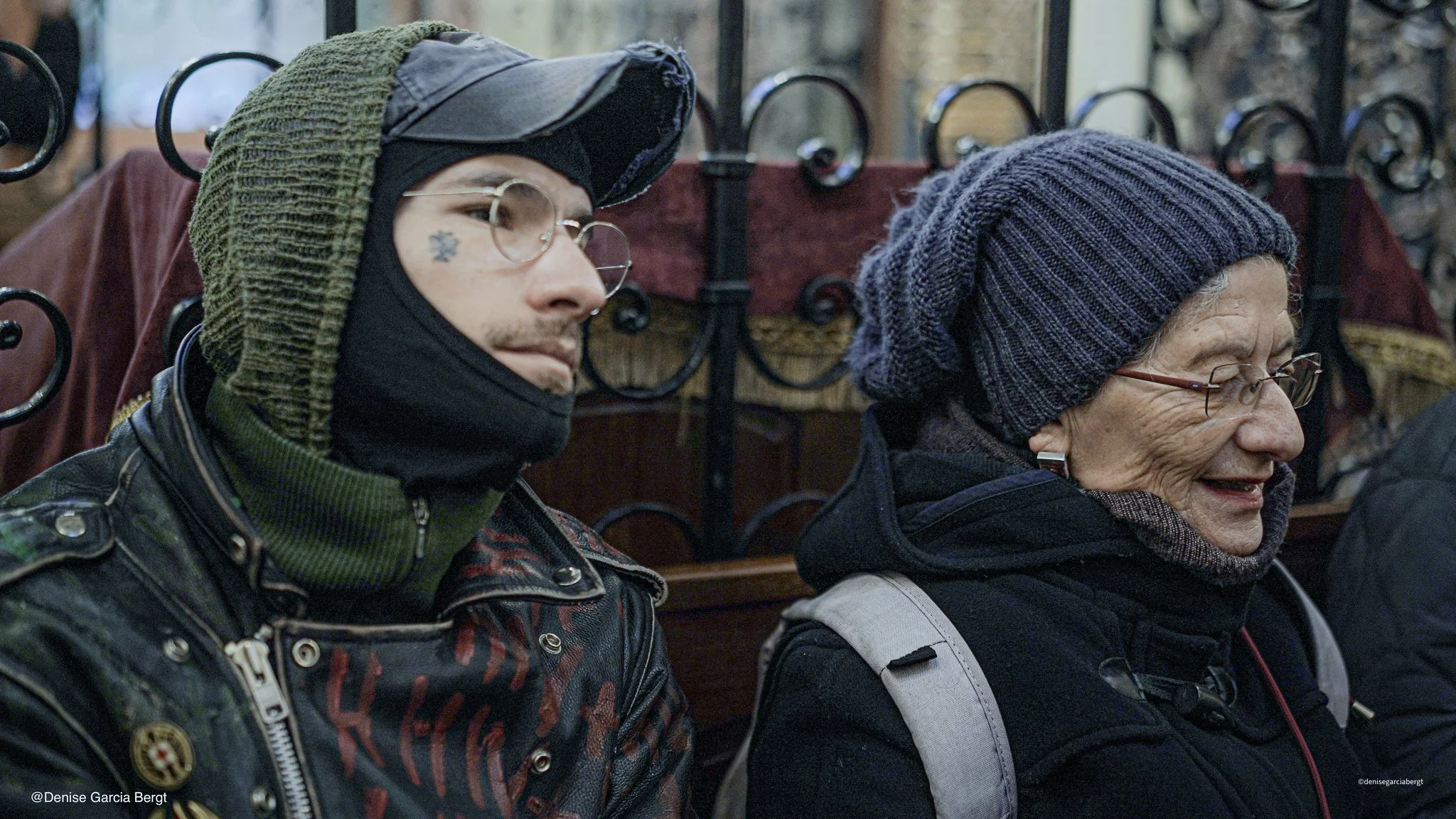
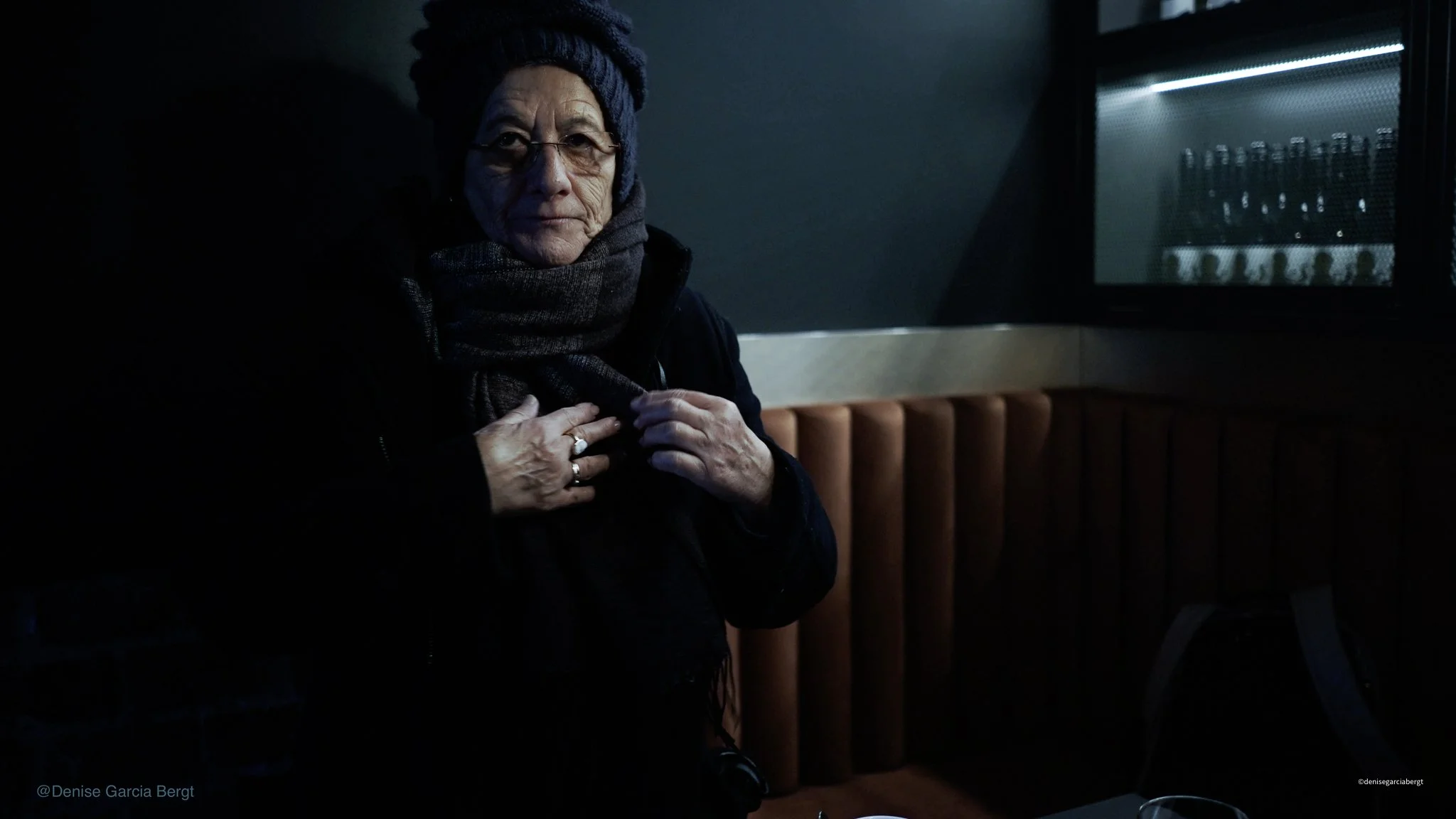
DAS ERBE MEINES VATERS
DAS ERBE MEINES VATERS ist ein investigativer Dokumentarfilm, der die Geschichten der Familien des deutschen Einwanderers Johannes Sulzbach und der versklavten Joana Guedes in einer von europäischen Siedlern geprägten Region Brasiliens erzählt. Anhand bisher unbekannter Fakten deckt er verborgene Aspekte der offiziellen Geschichte auf und regt zum Nachdenken darüber an, welche Geschichte wir über uns selbst erzählen.
MY FATHER’S ESTATE is an investigative documentary that uncovers the stories of the families of German immigrant Johannes Sulzbach and the enslaved woman Joana Guedes in a region of Brazil shaped by European settlement. Through previously unknown facts, it unveils hidden aspects of the official history and reflects on the narrative we choose to tell about ourselves.
My Father‘s Estate - working title
Directed and written by Liliana Sulzbach
Co-written by Eliane Marques and Taiasmin Ohnmacht
Produced by Tempo Porto Alegre
Co-produced by Weltfilm Germany
Funding: FSA - Audiovisual Sector Fund (Brazil), Hessen Film & Medien and World Cinema Fund (Germany)
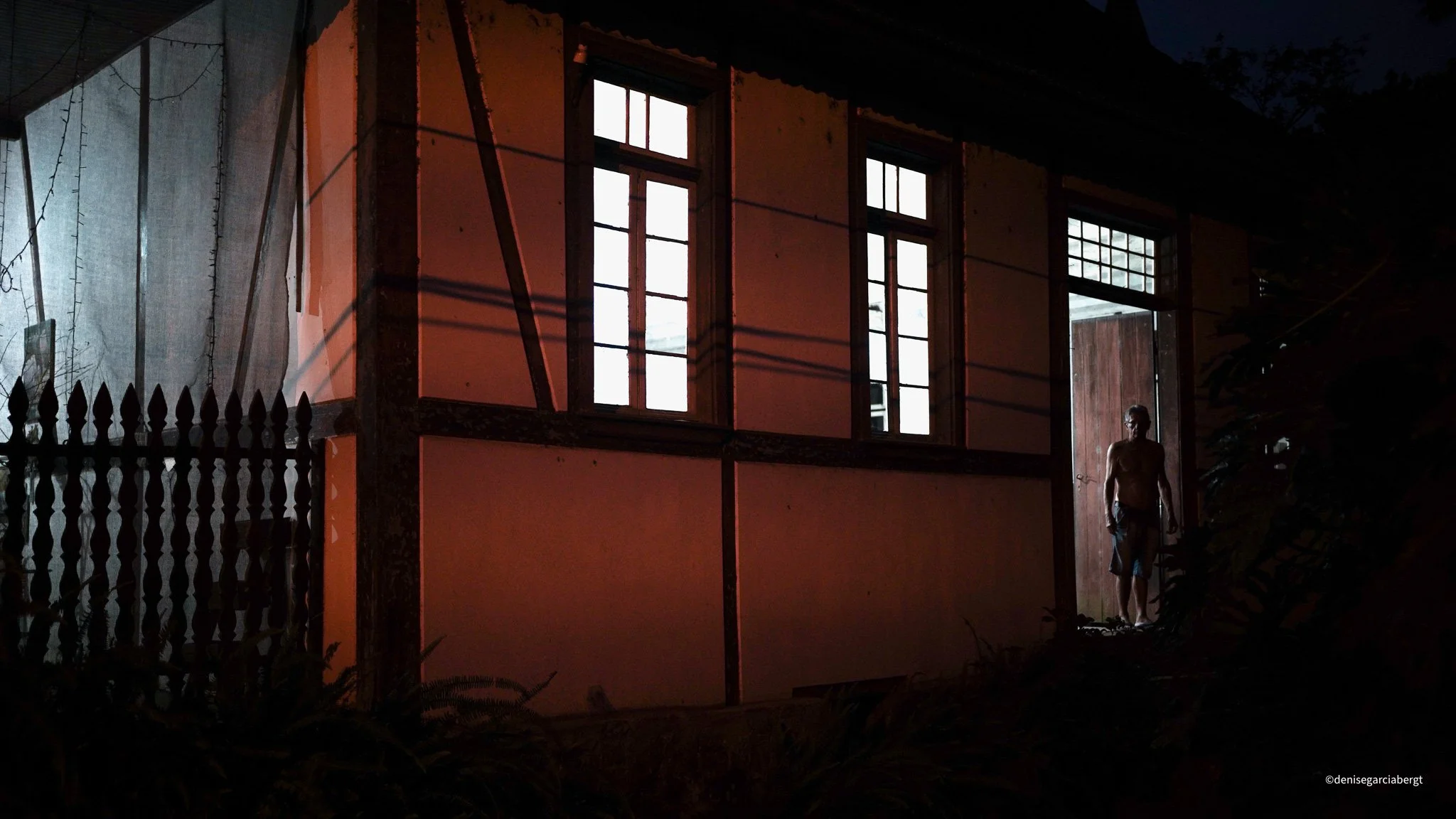
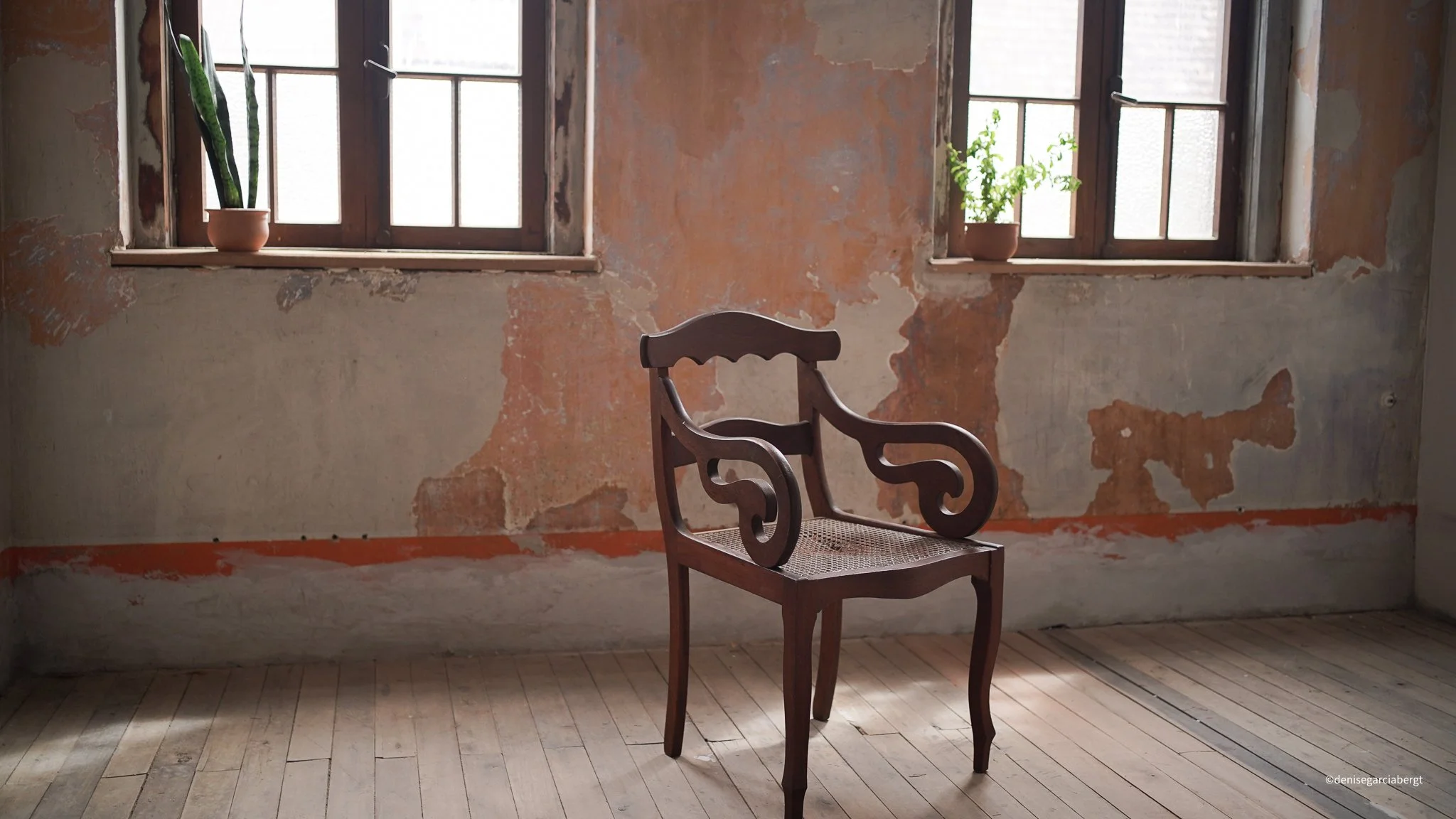
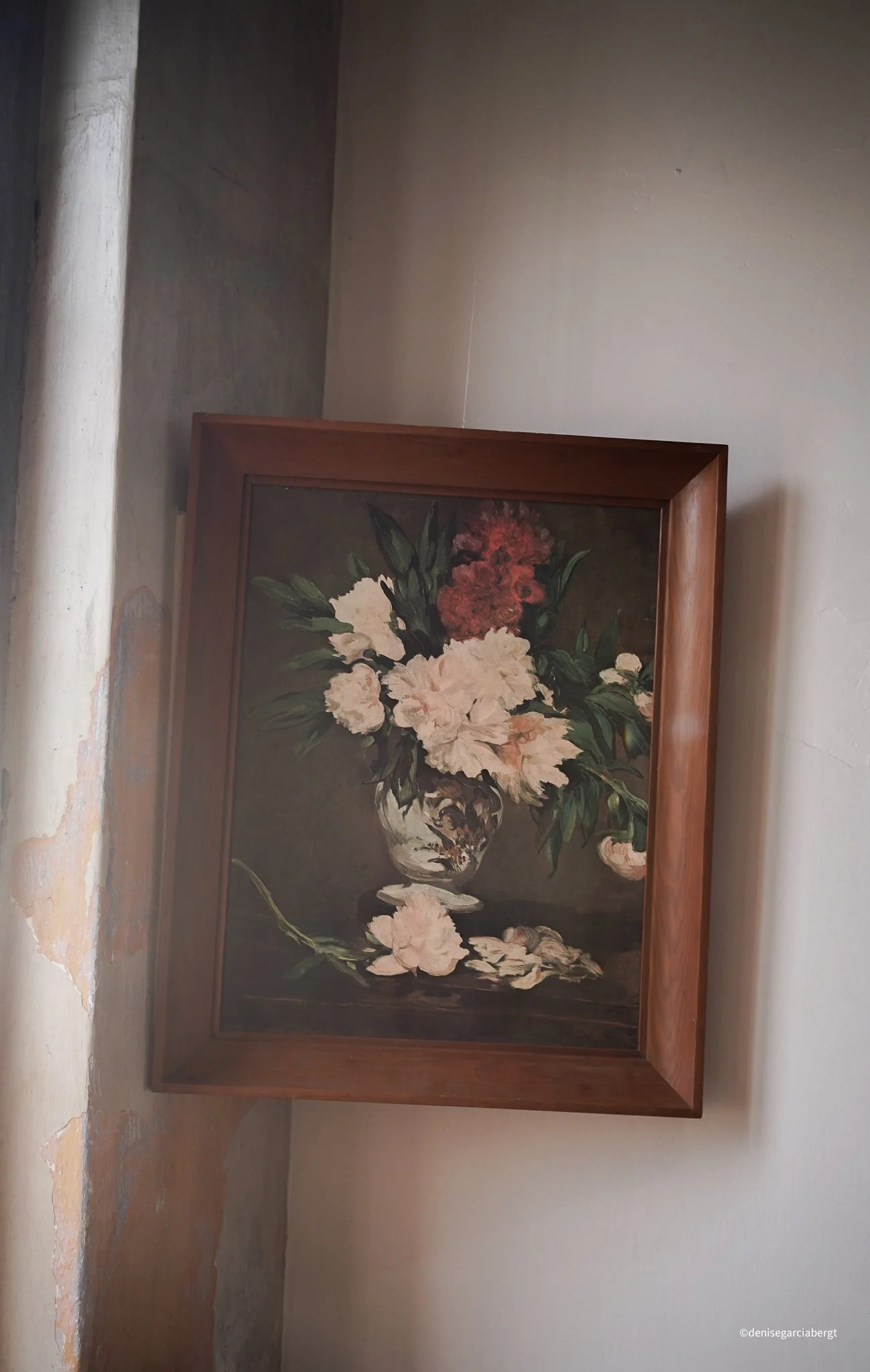
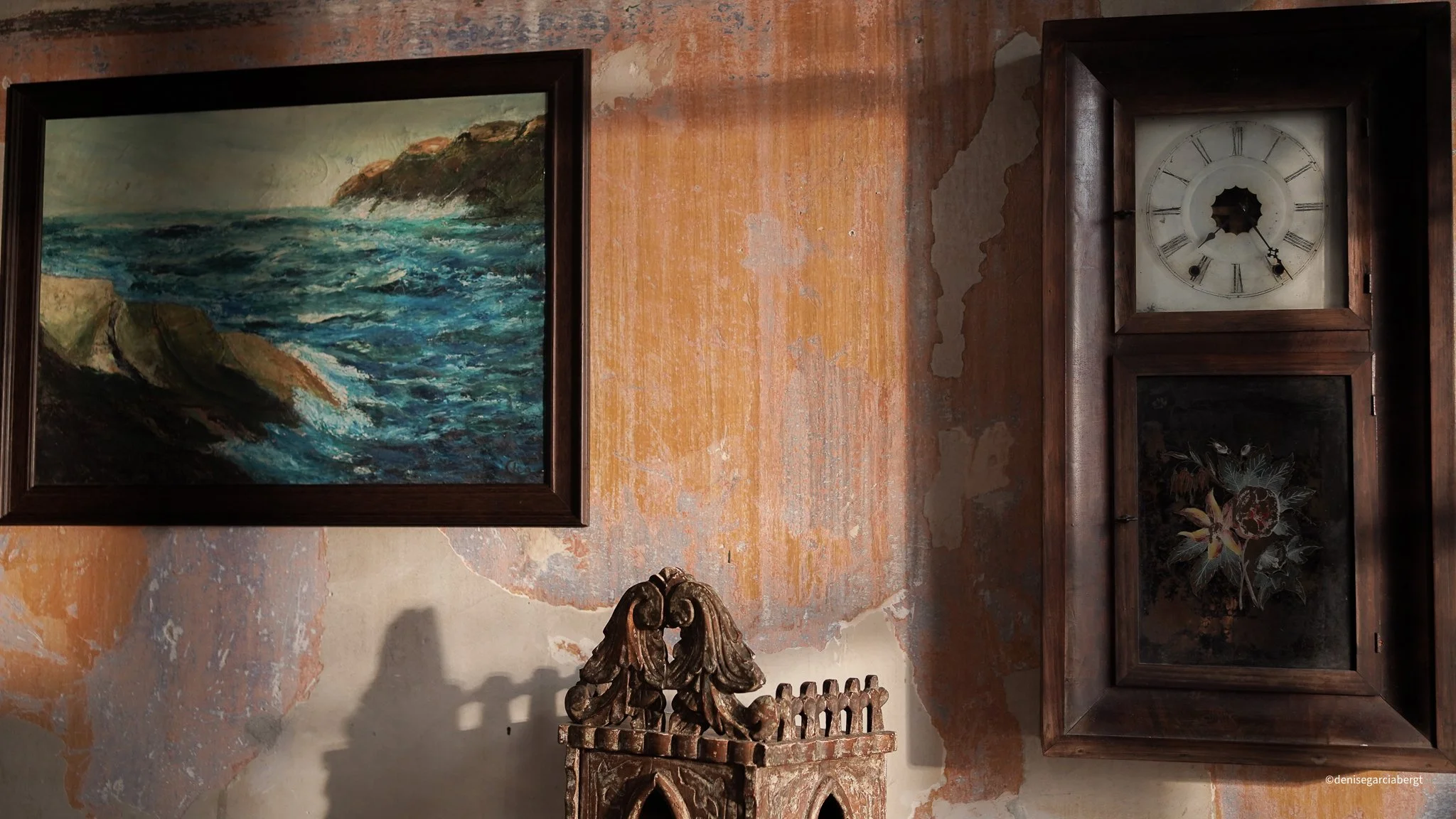
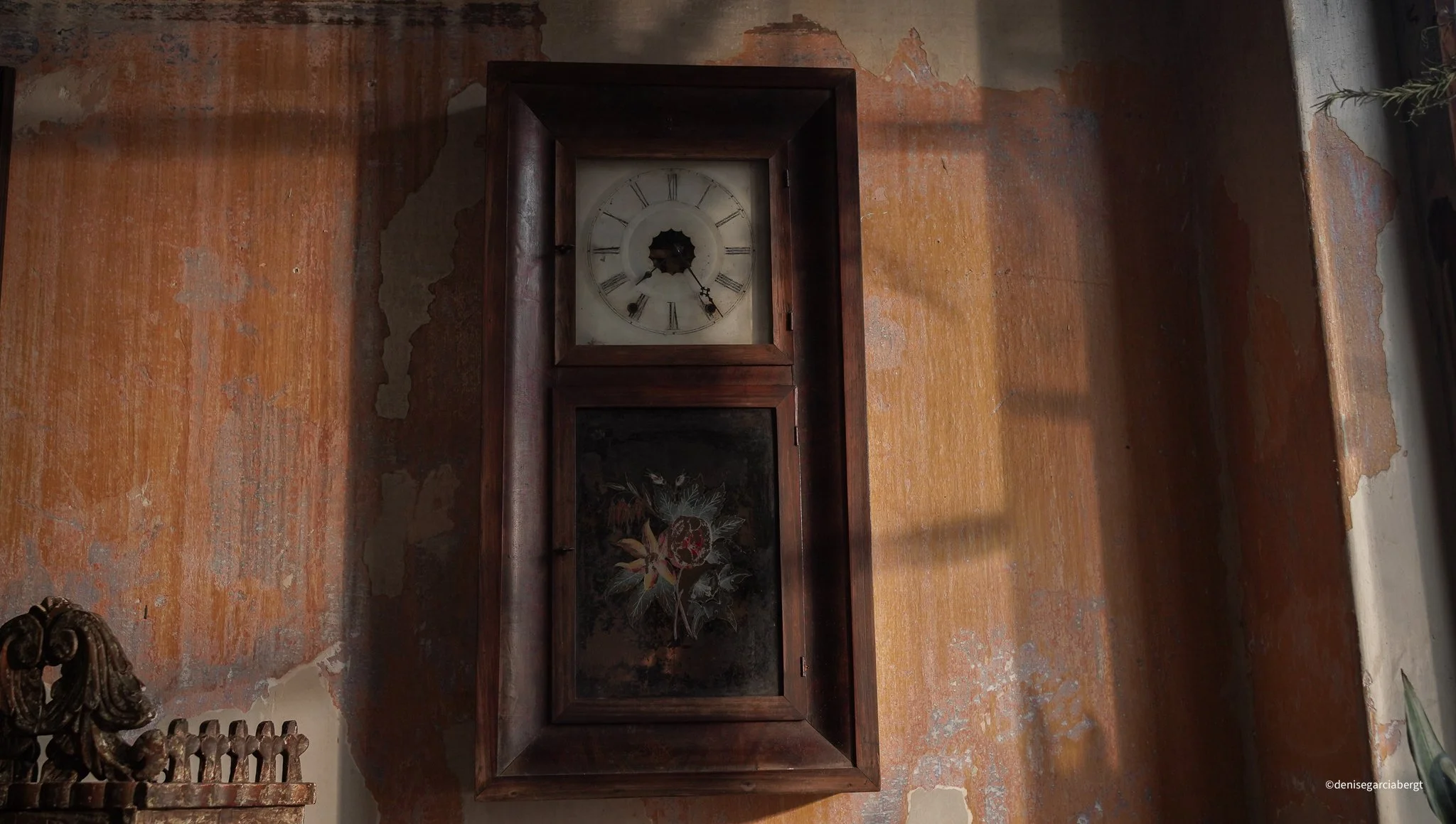
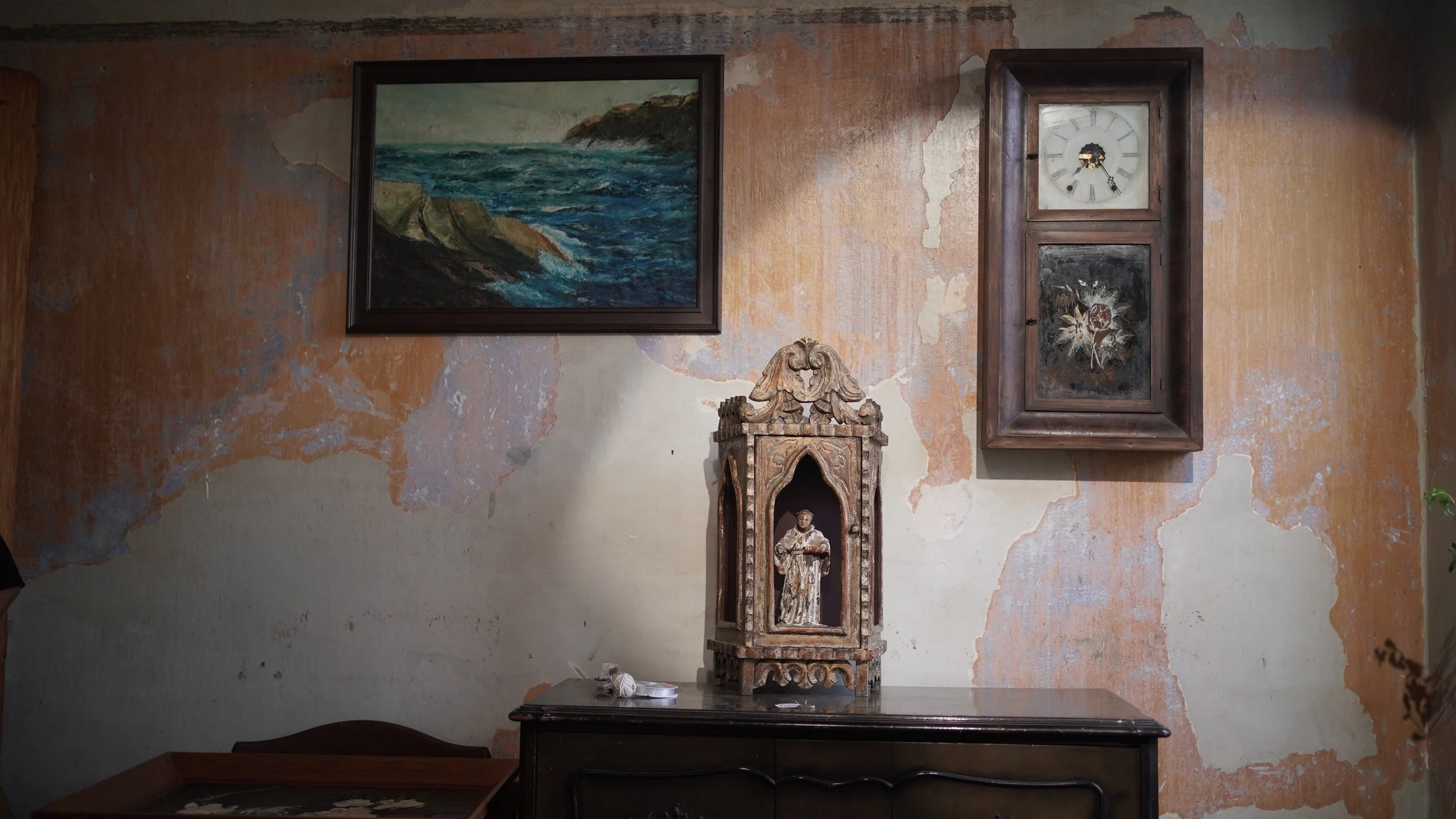
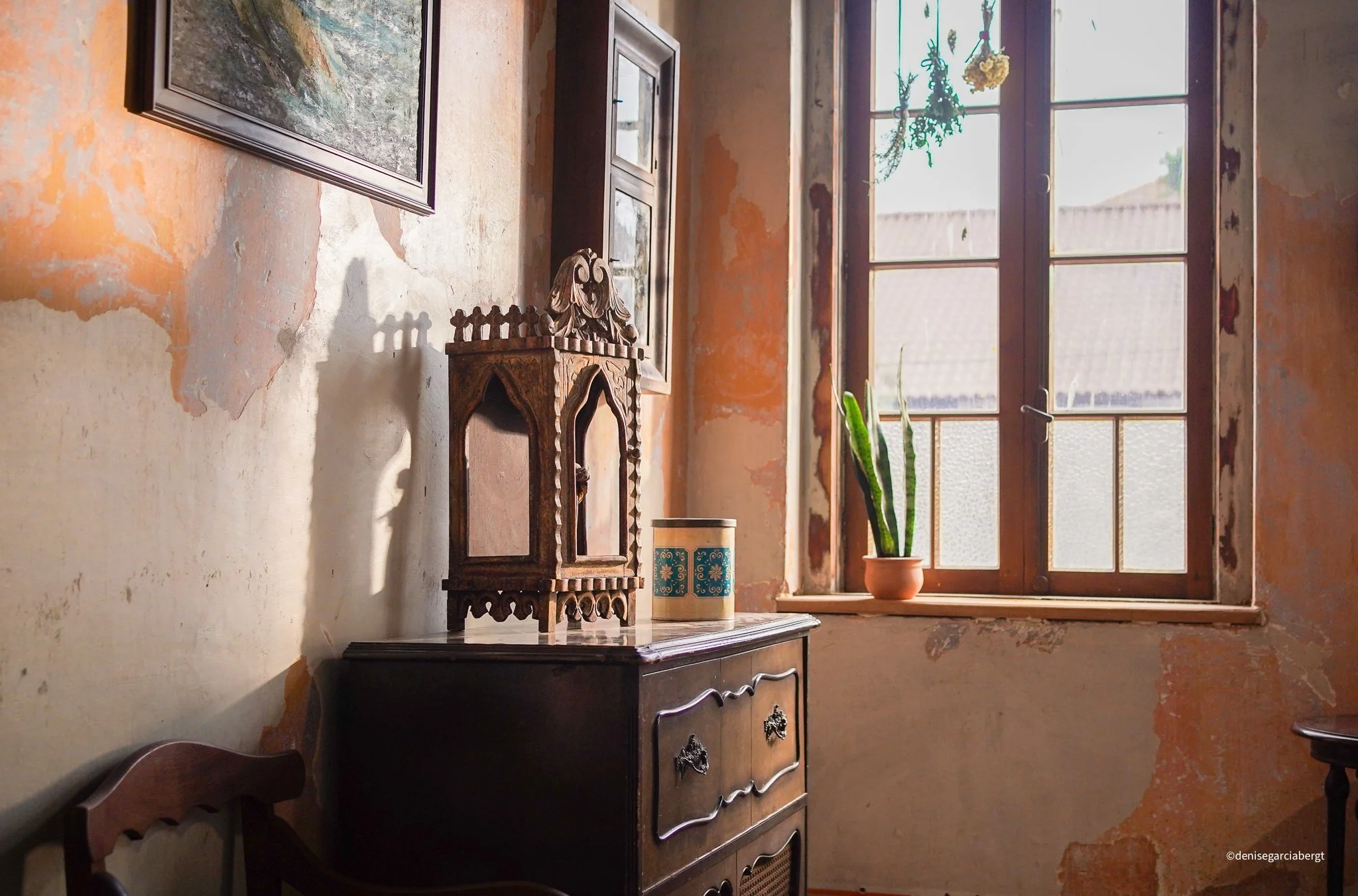
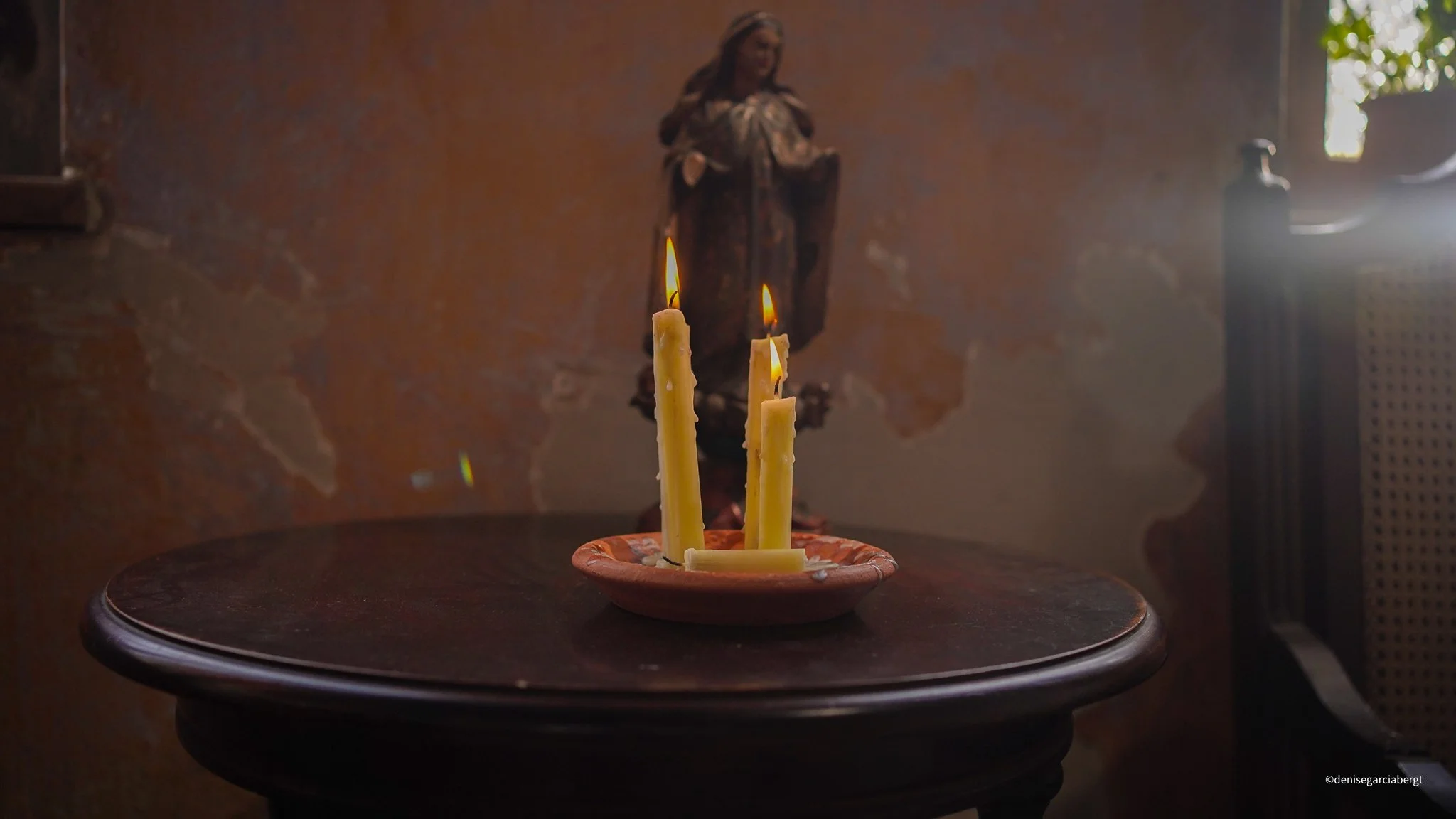
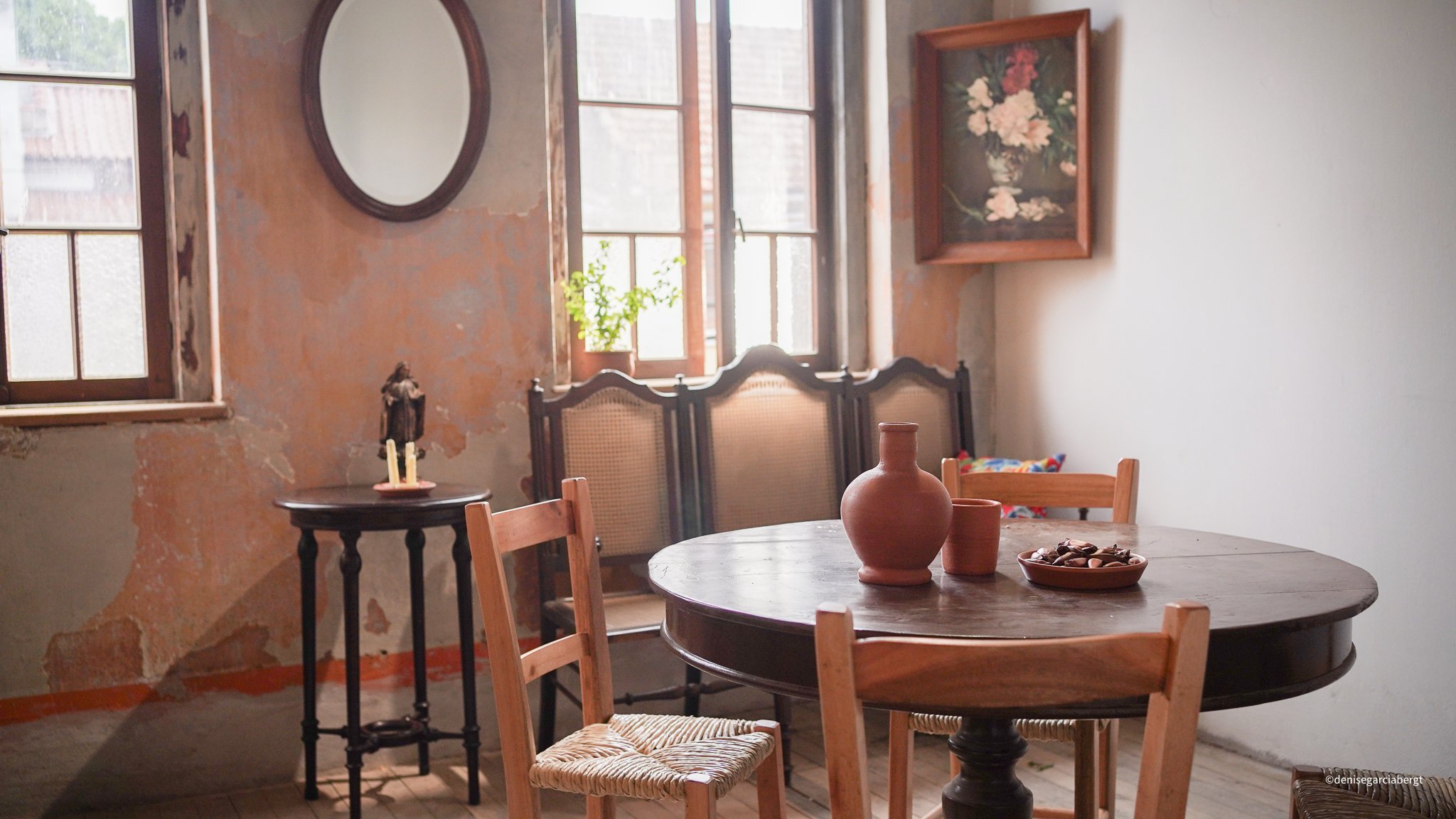
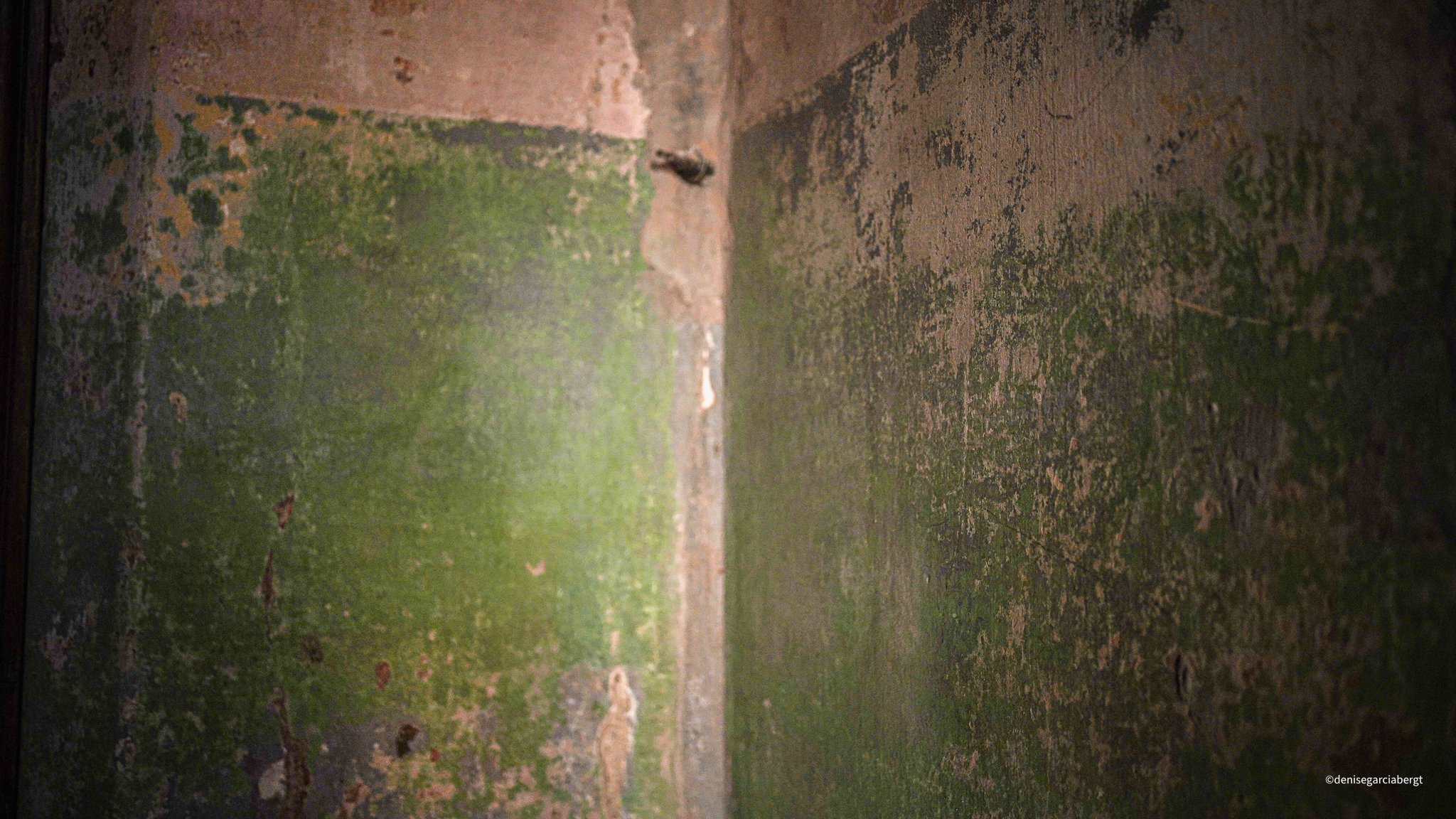
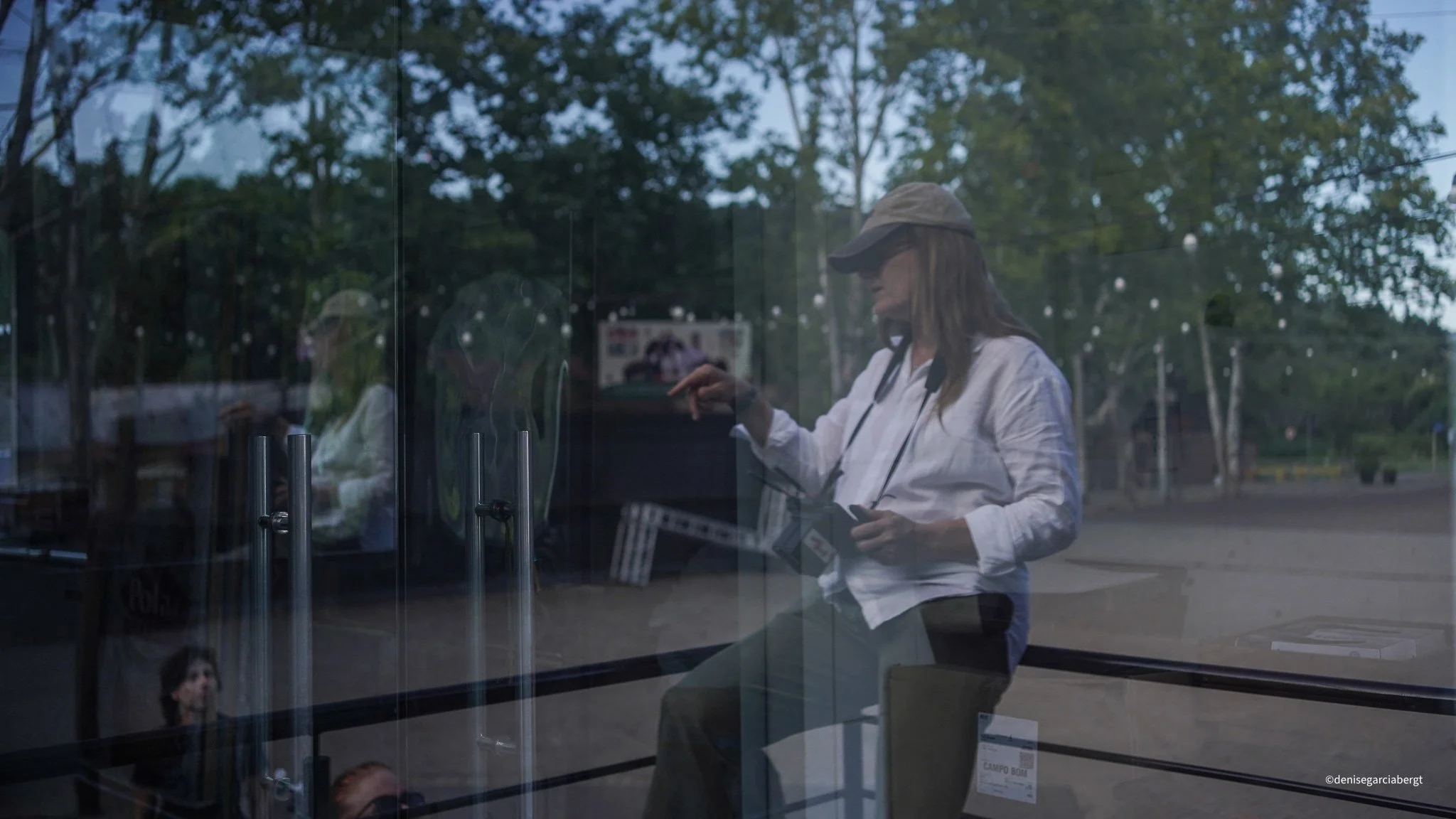
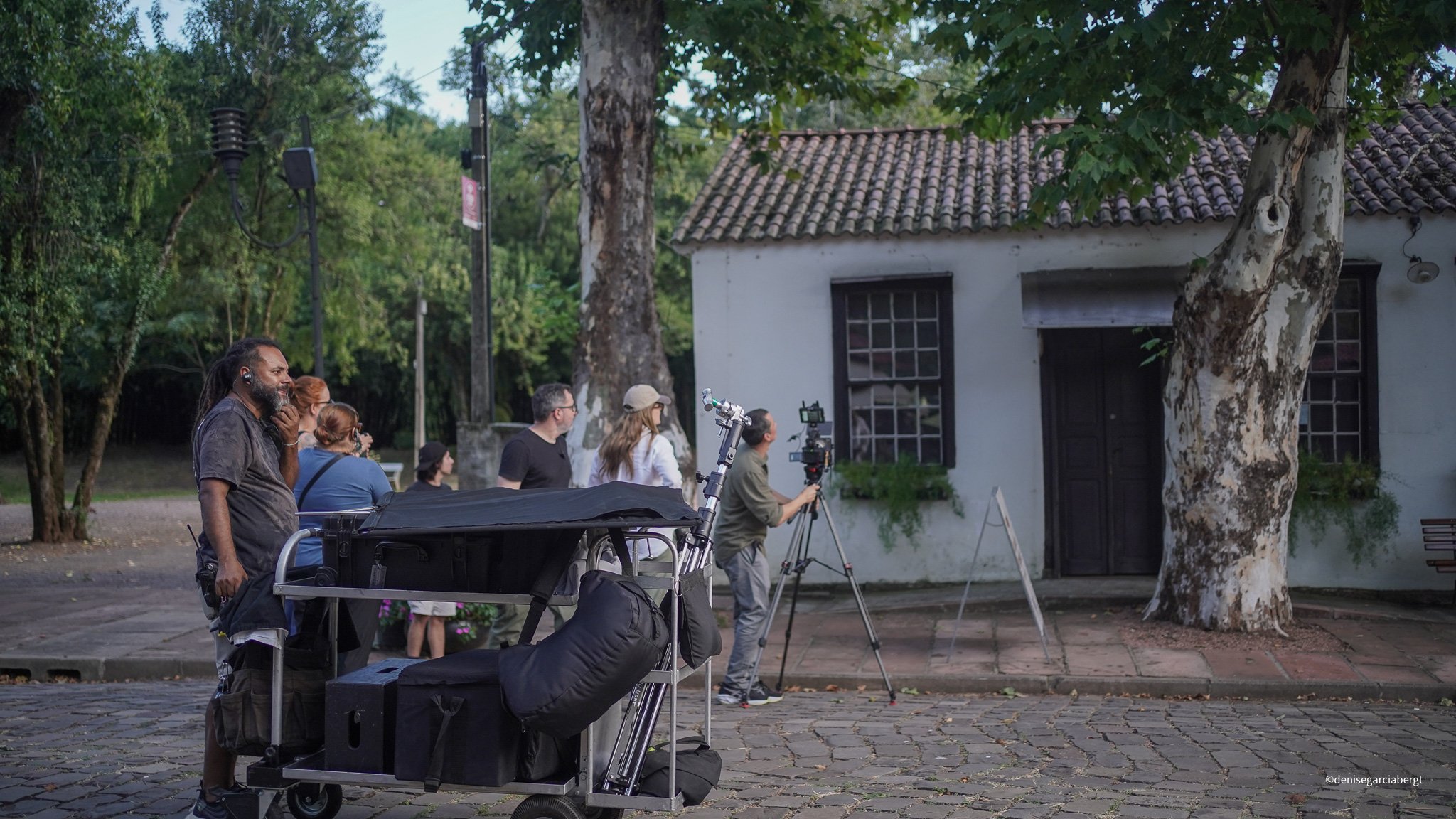
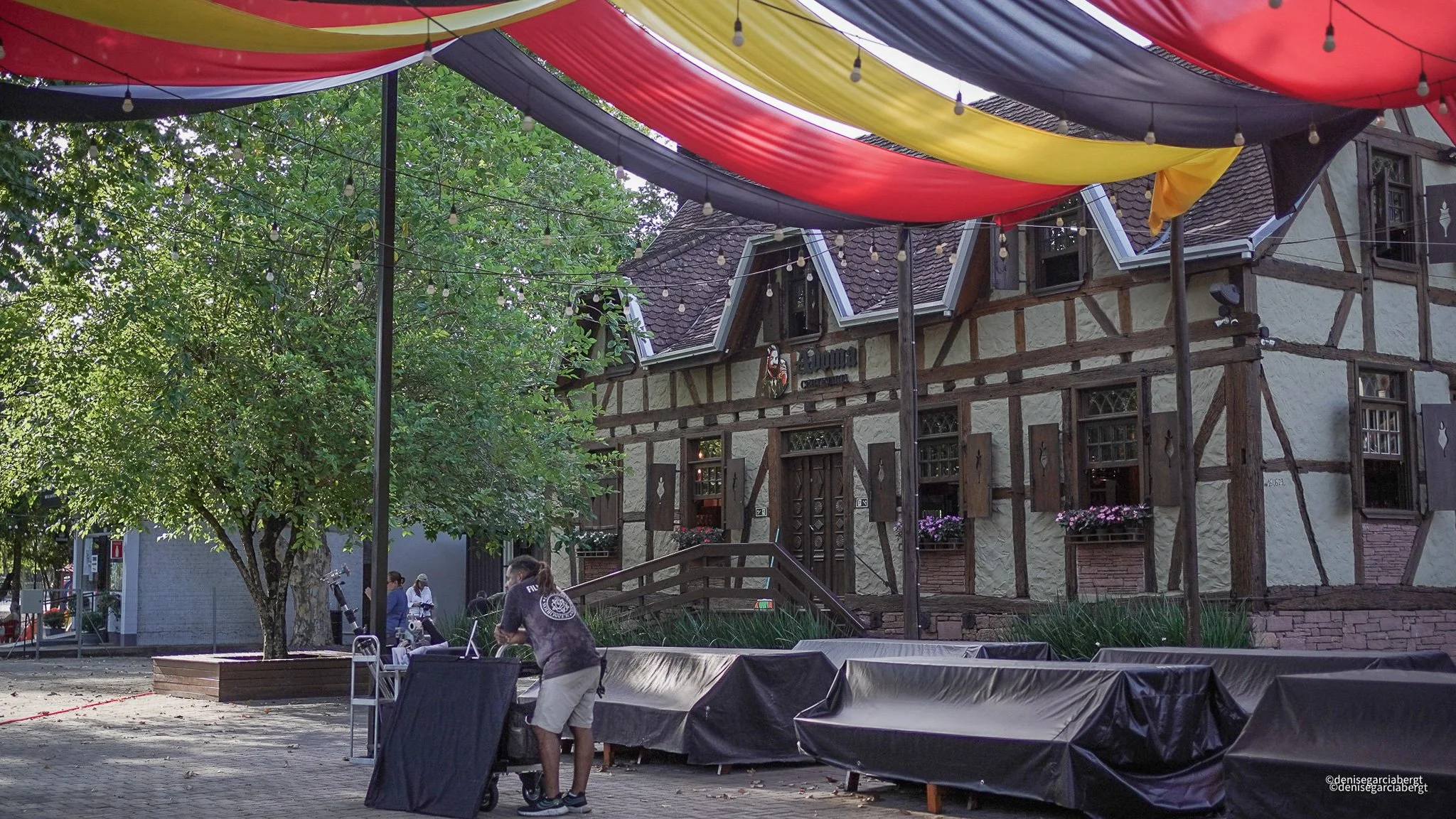
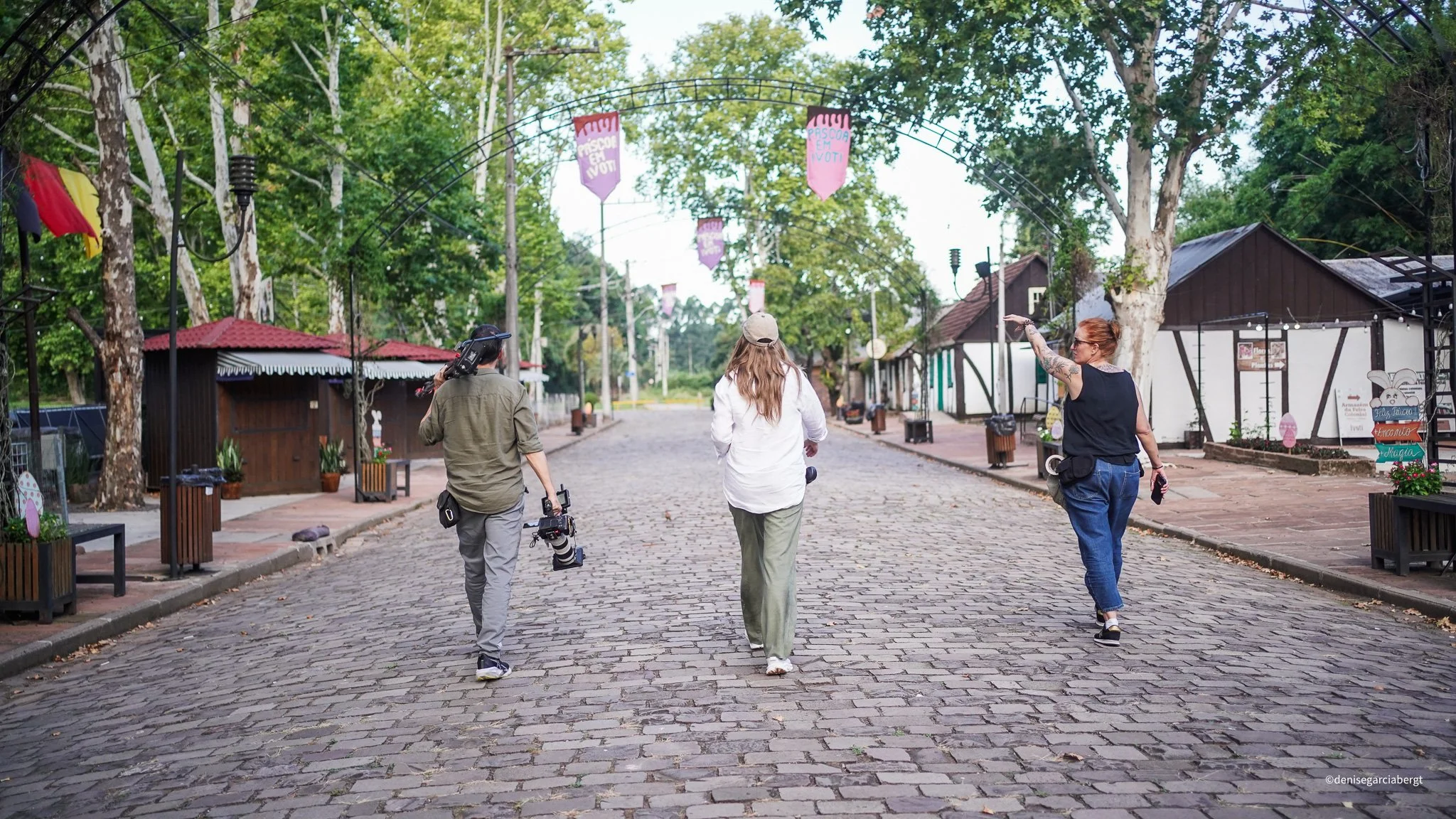
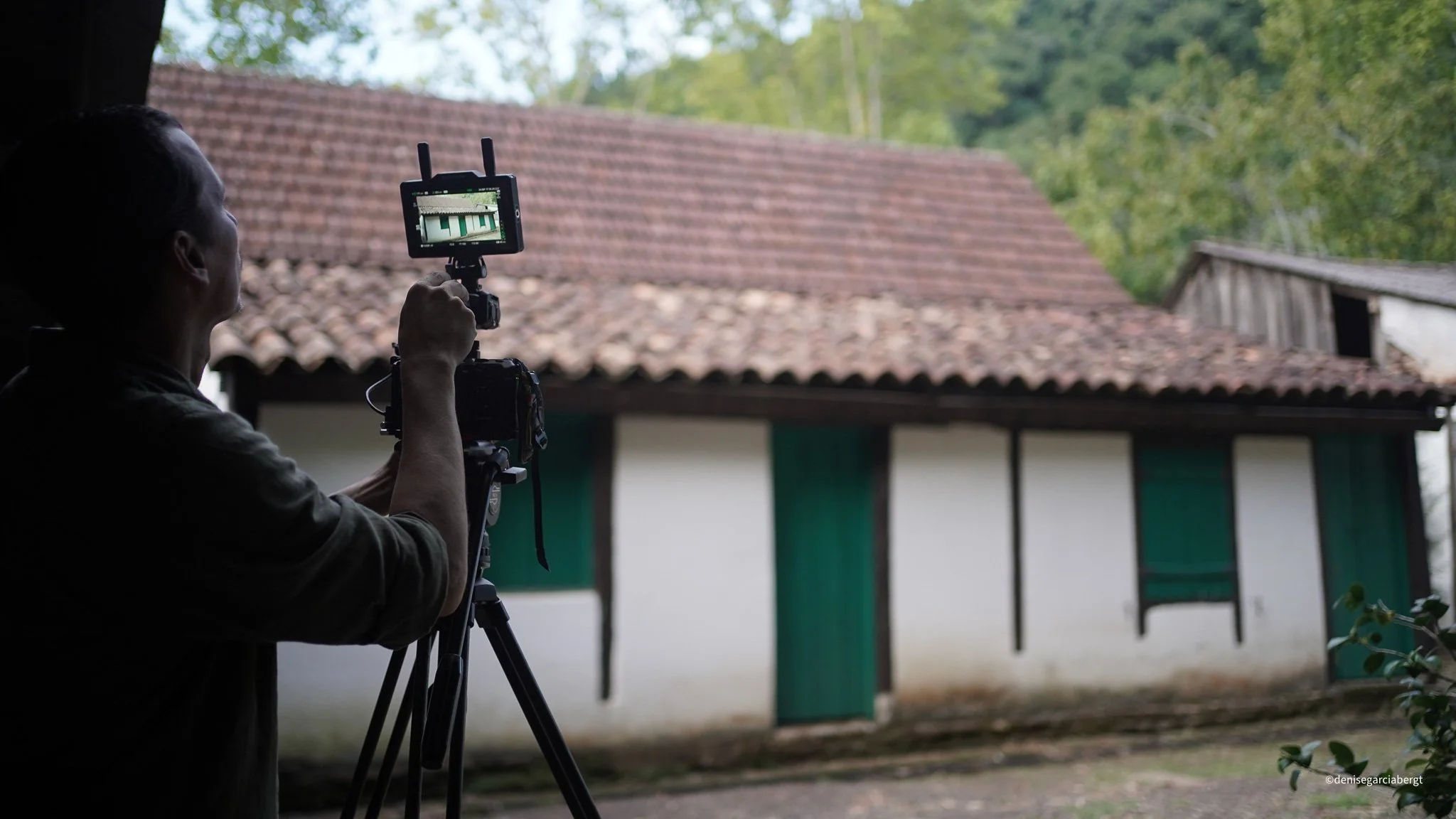
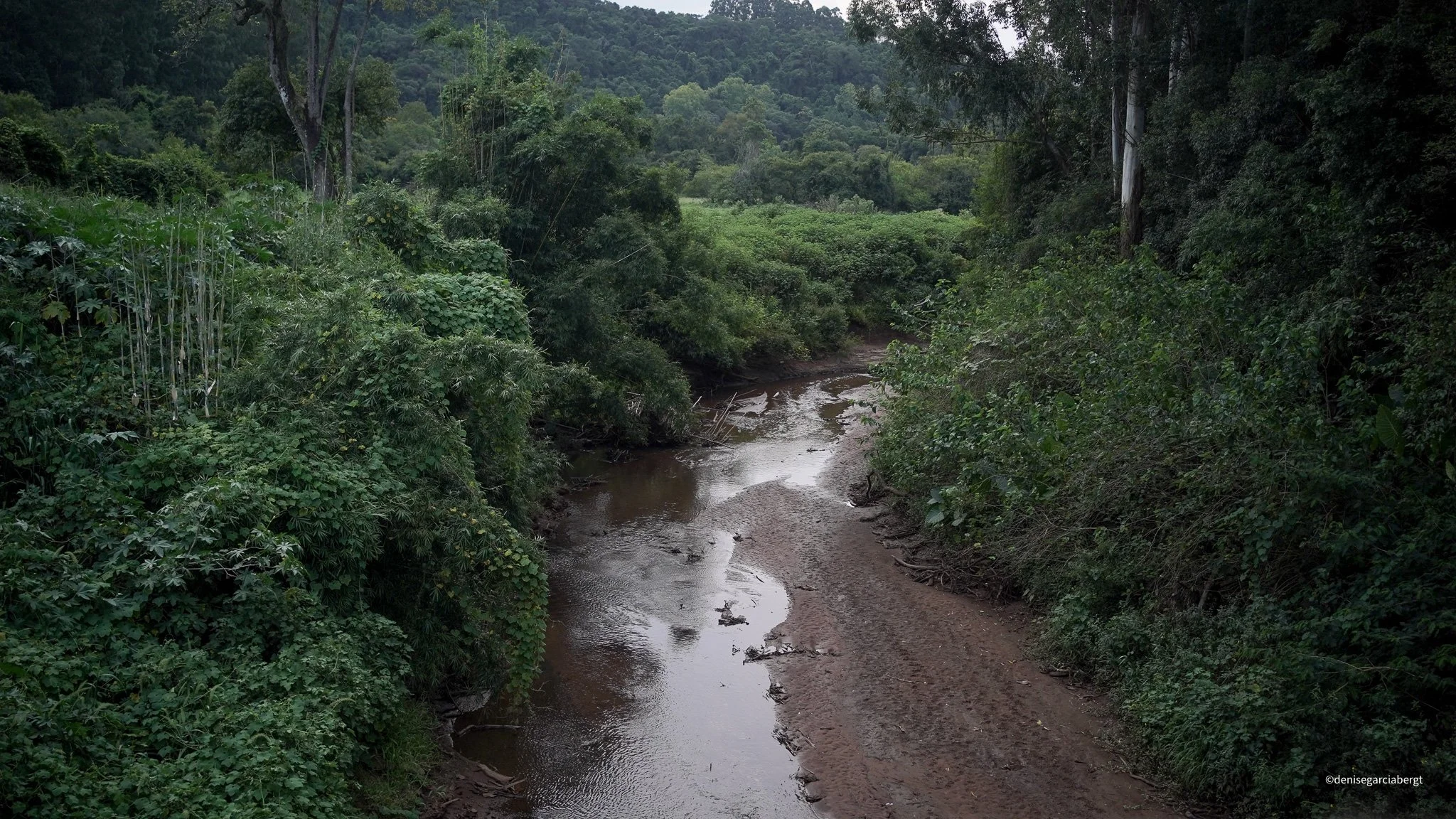
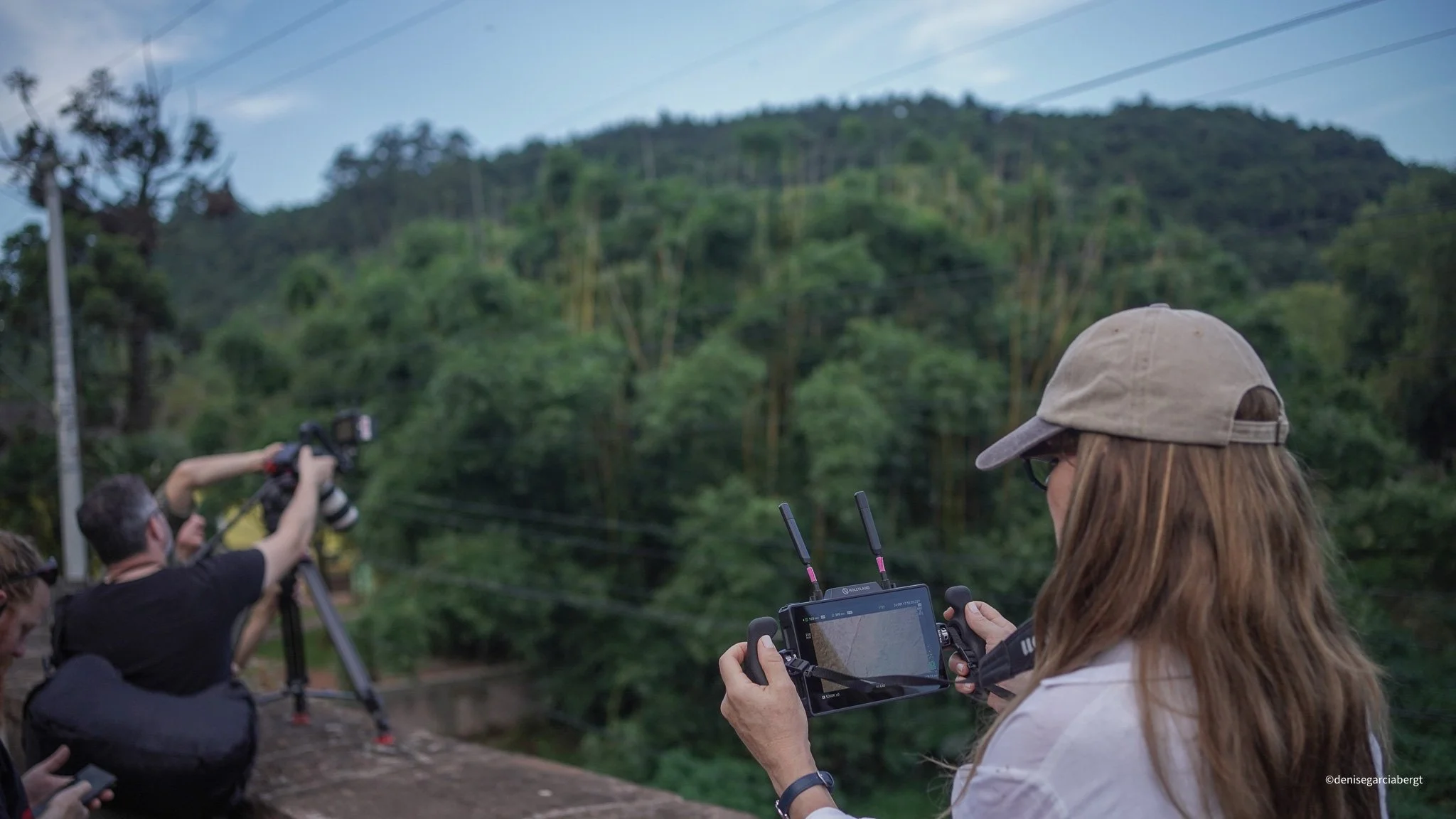
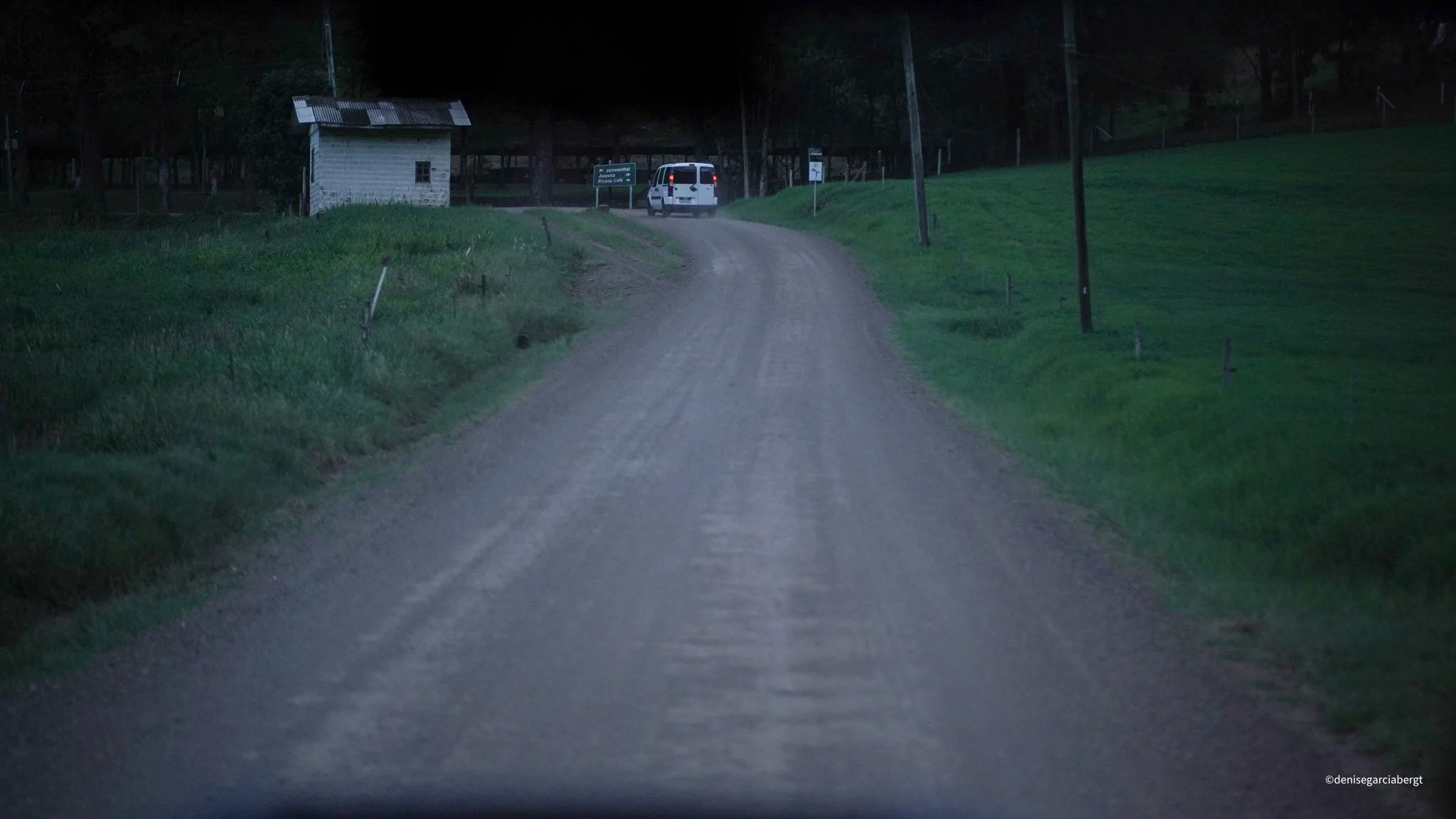
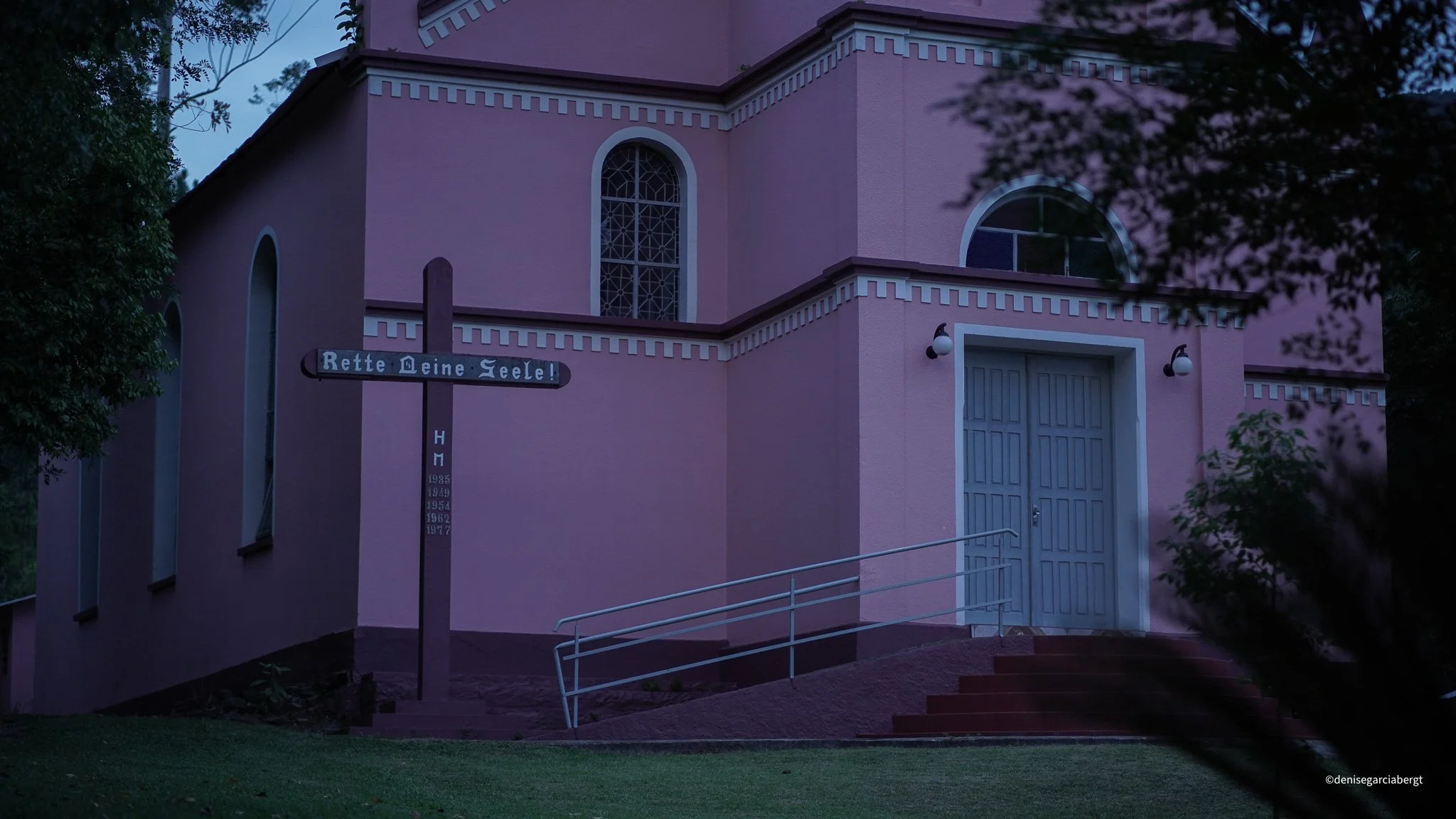
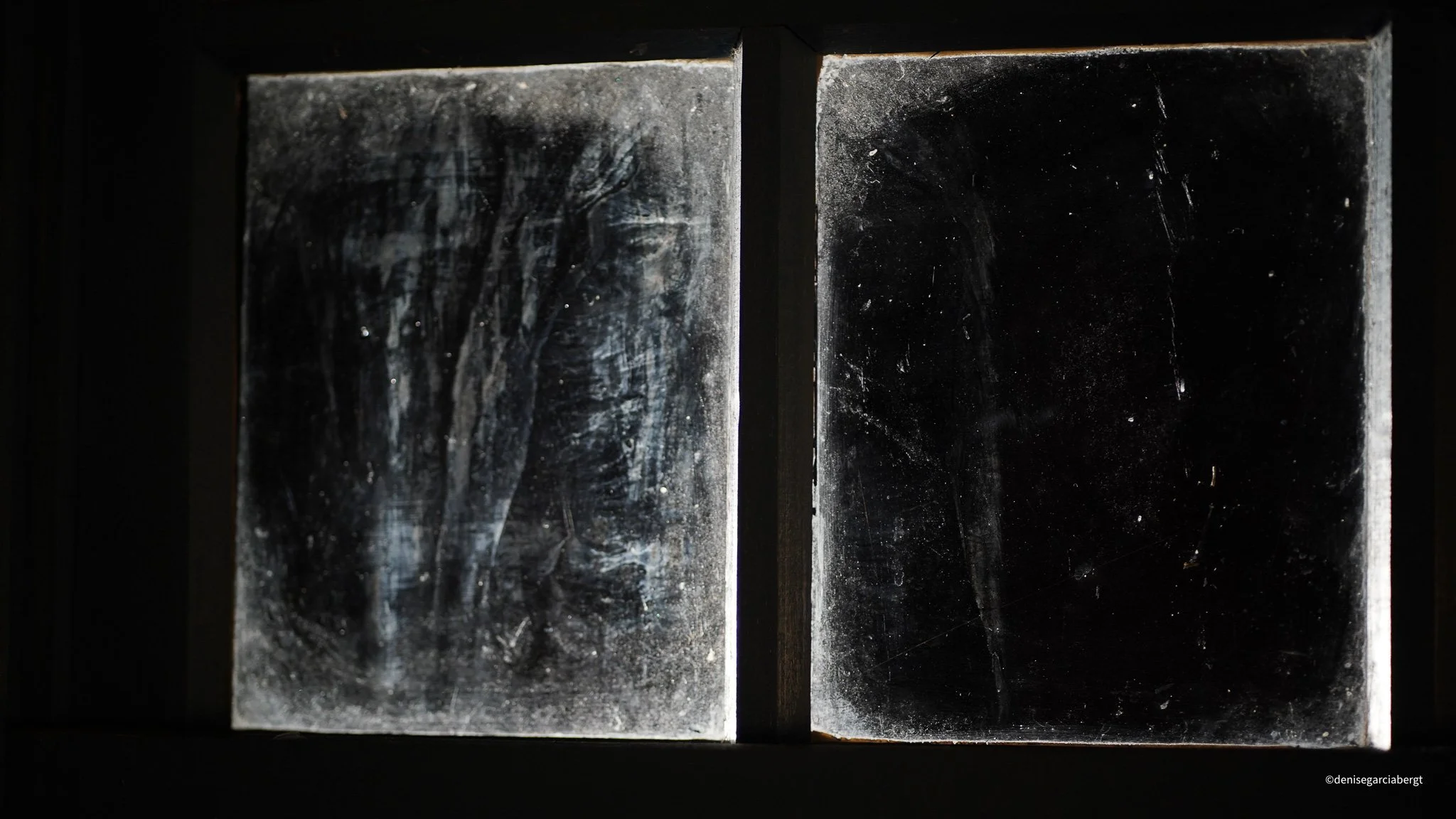
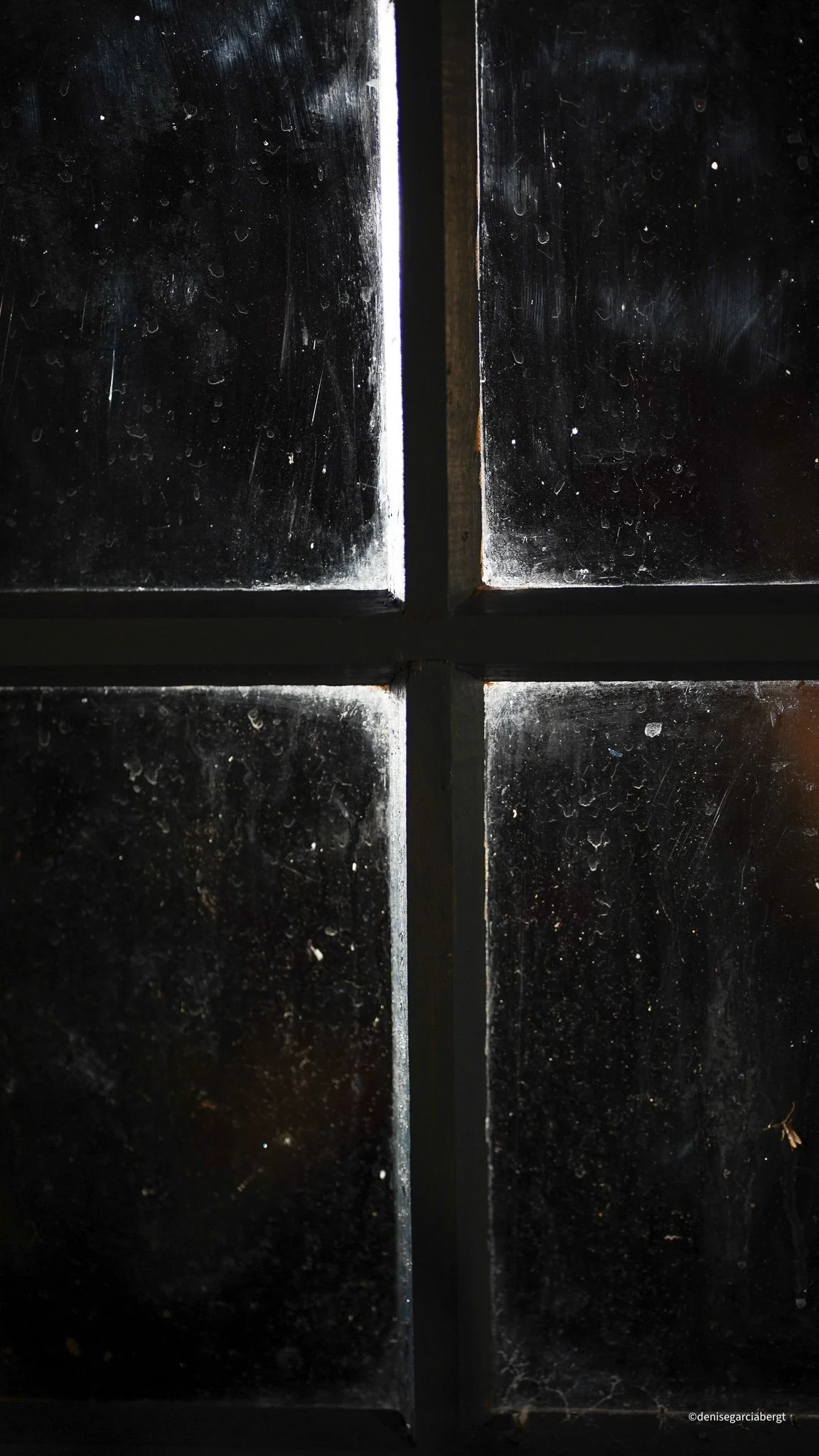
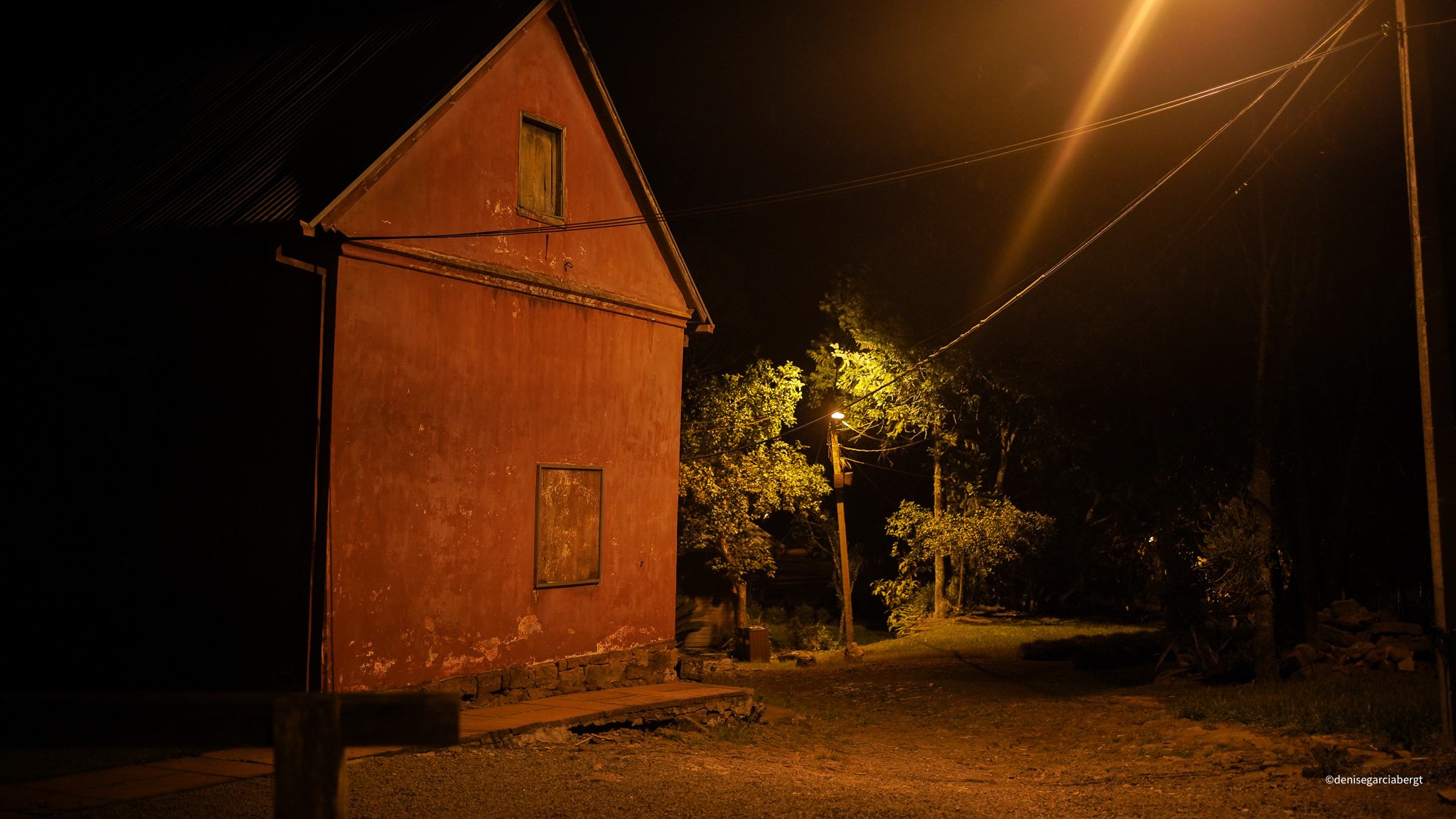
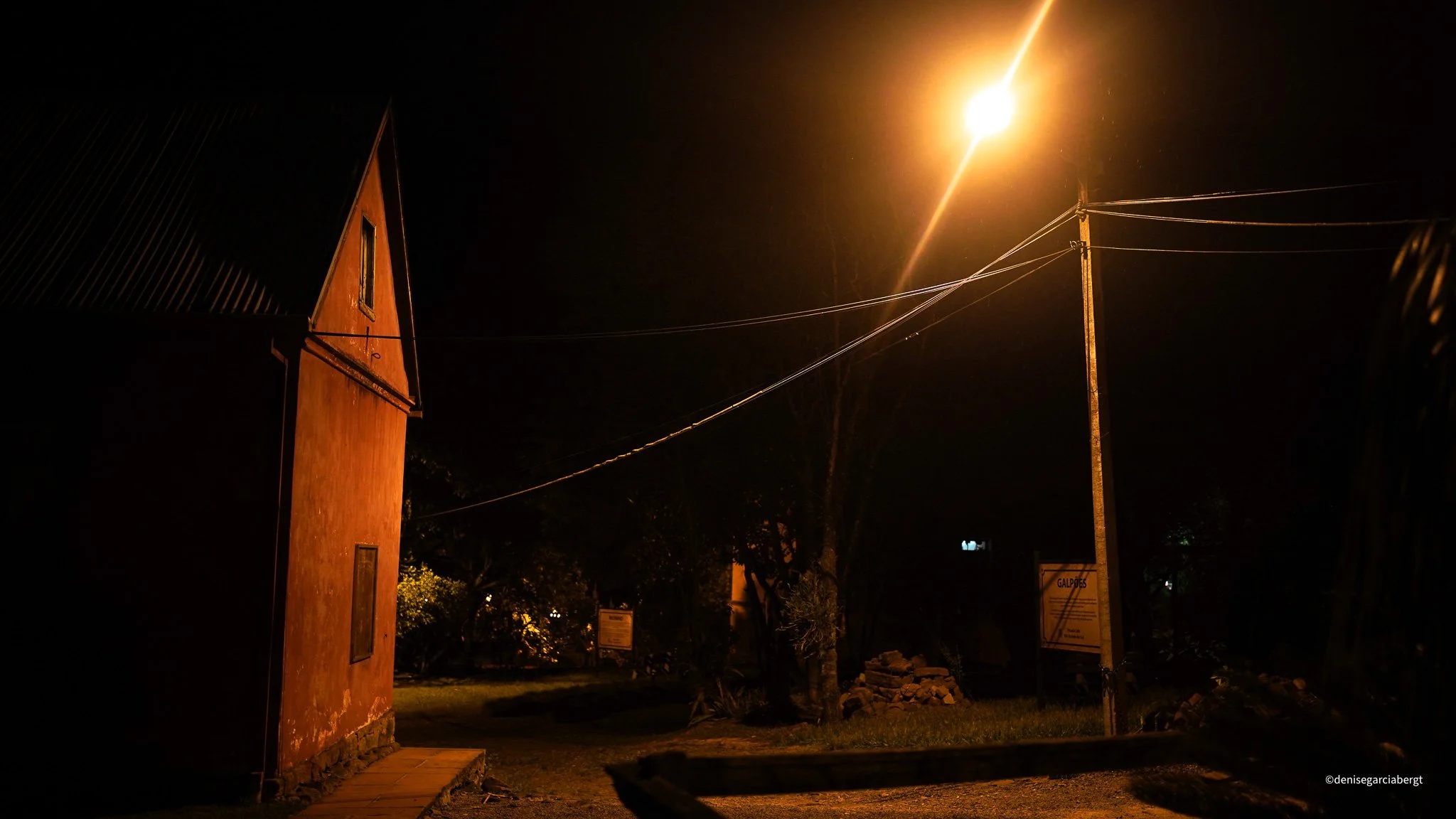
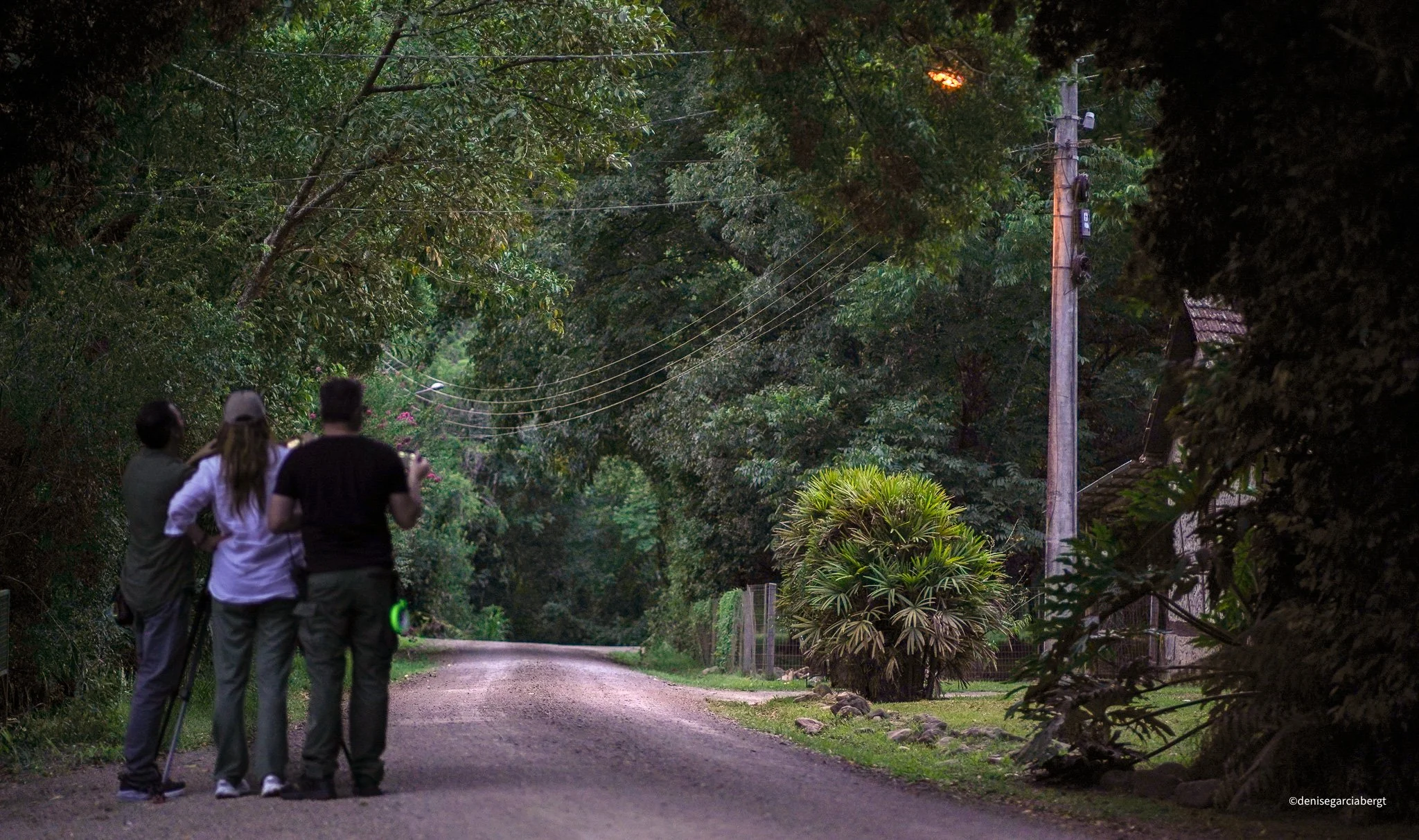
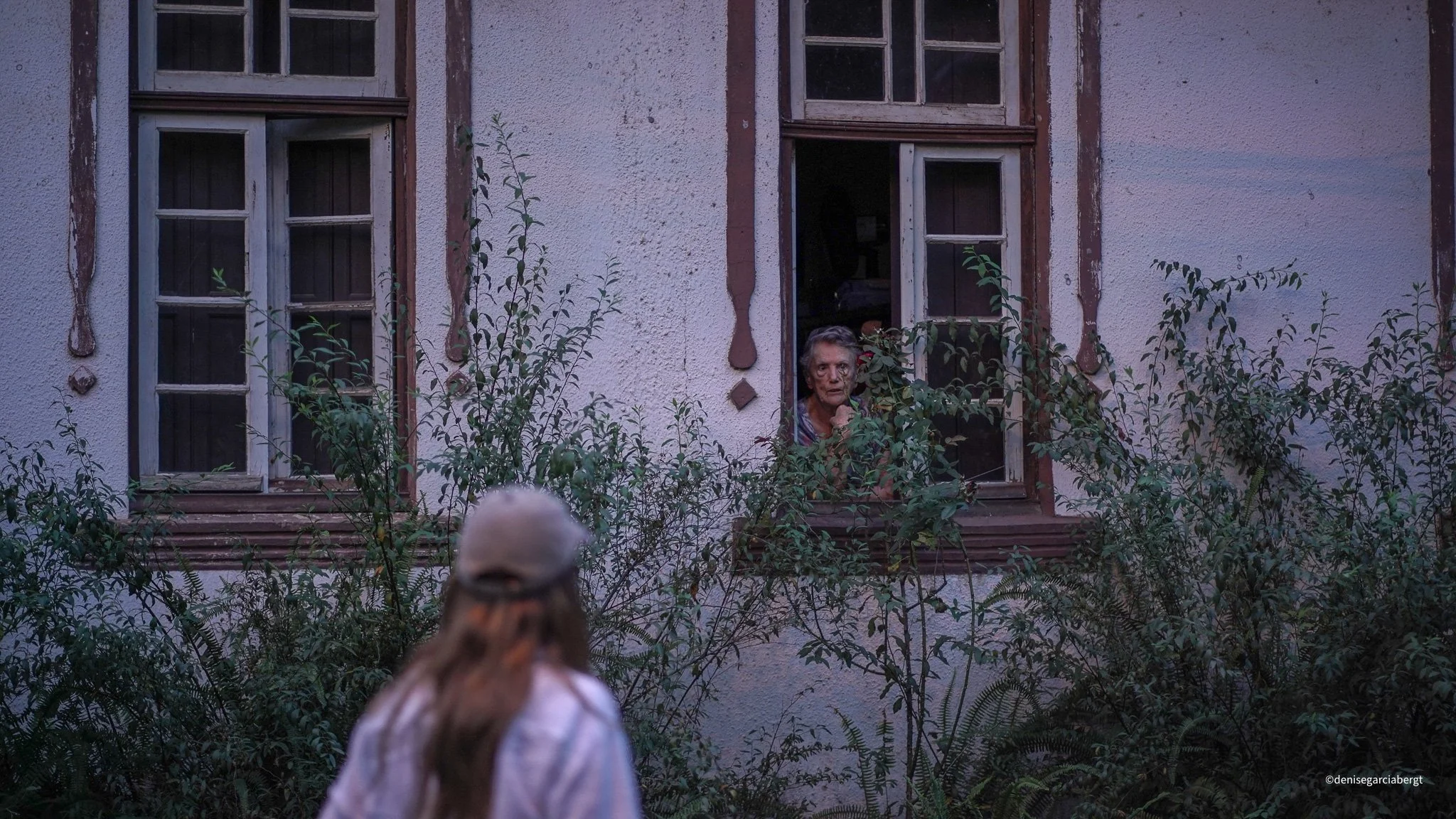
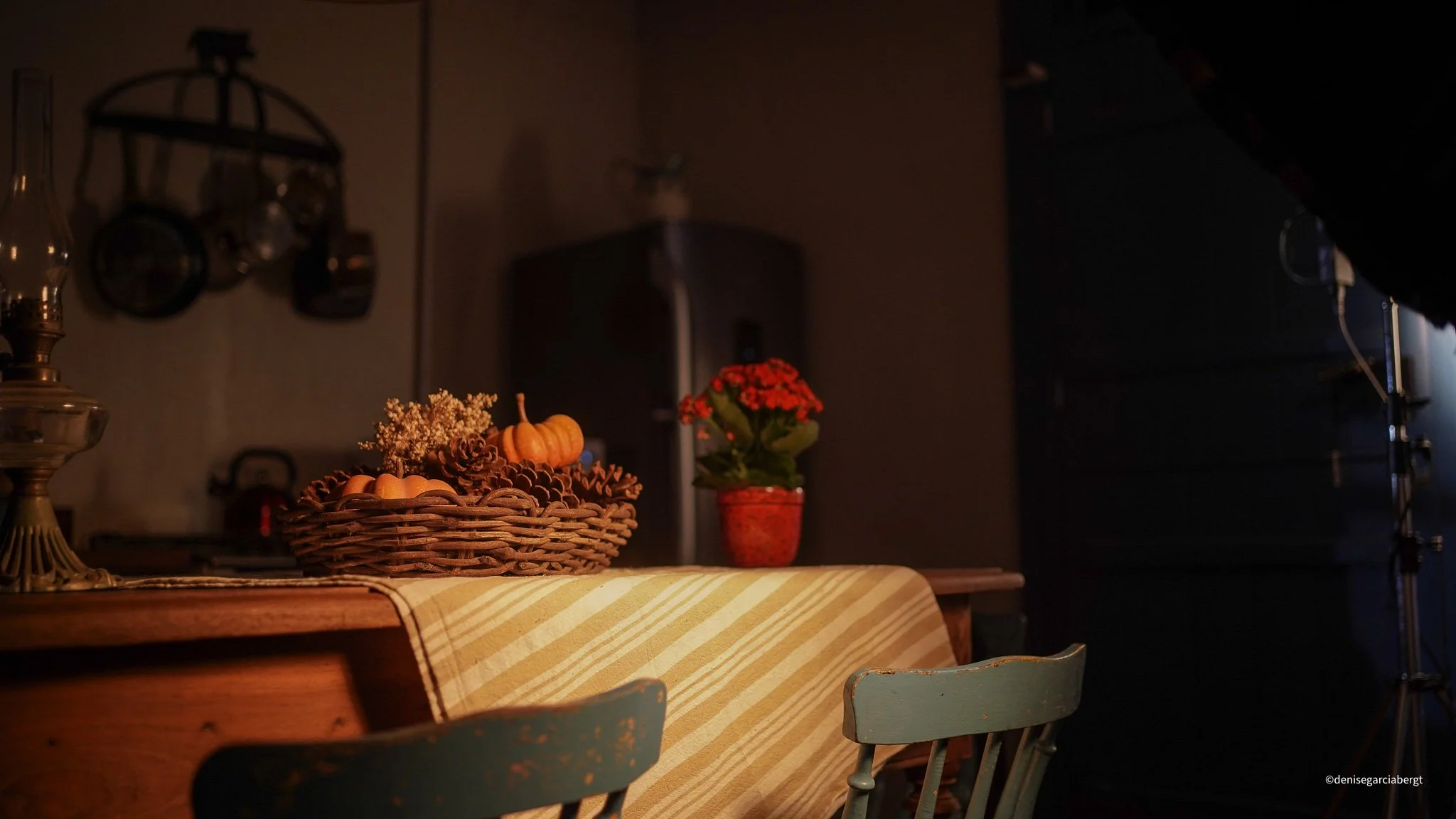
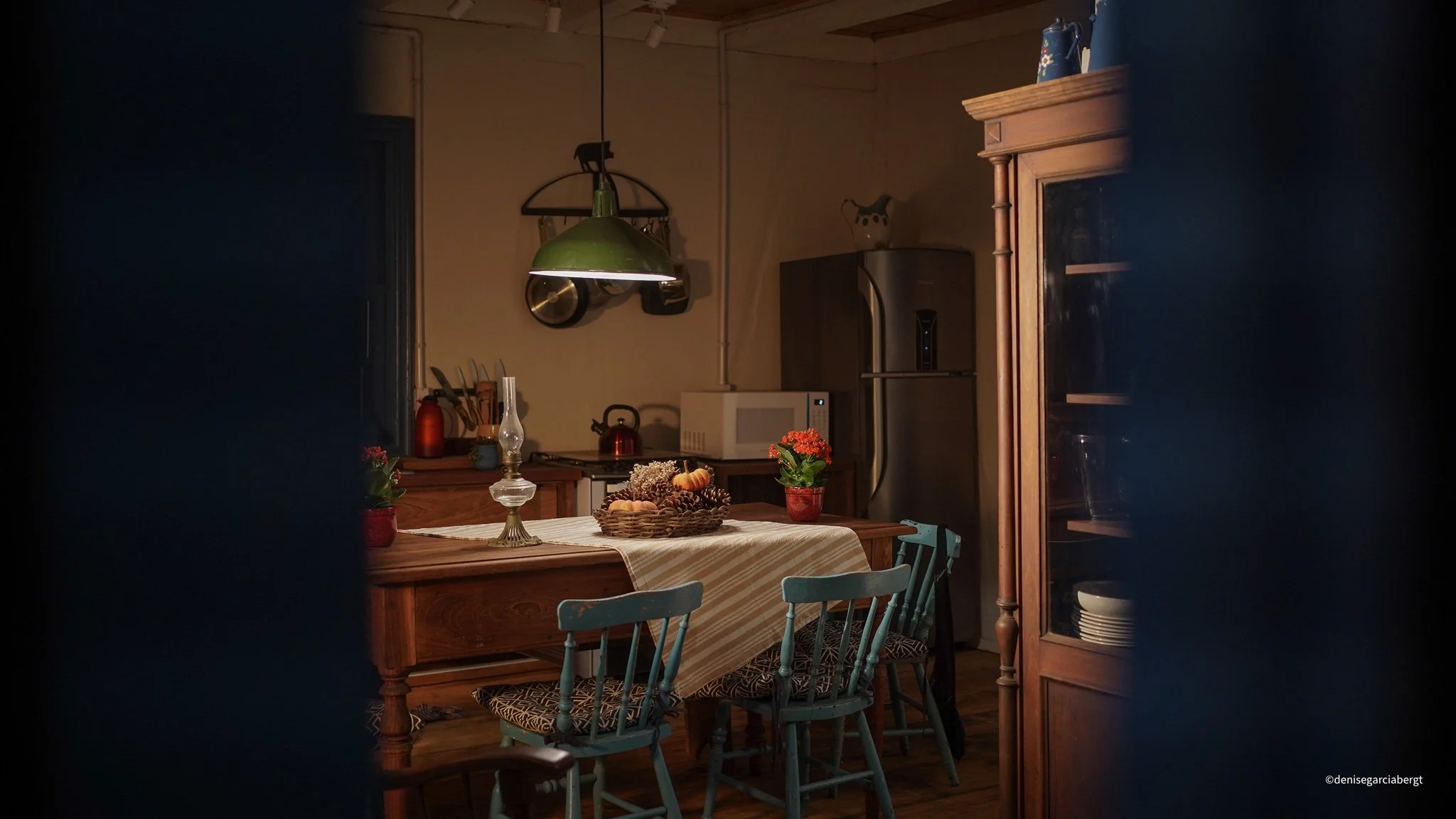
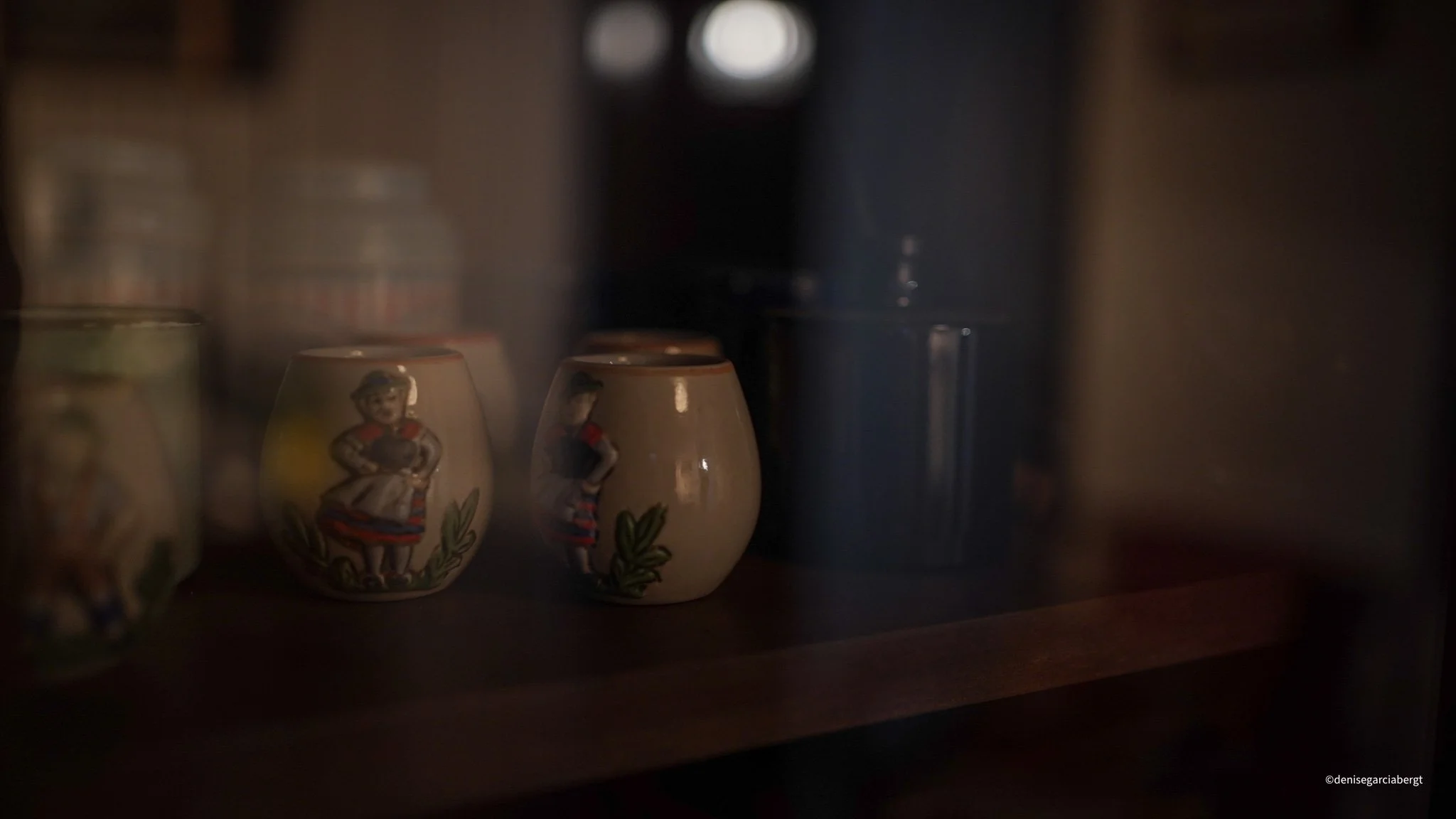
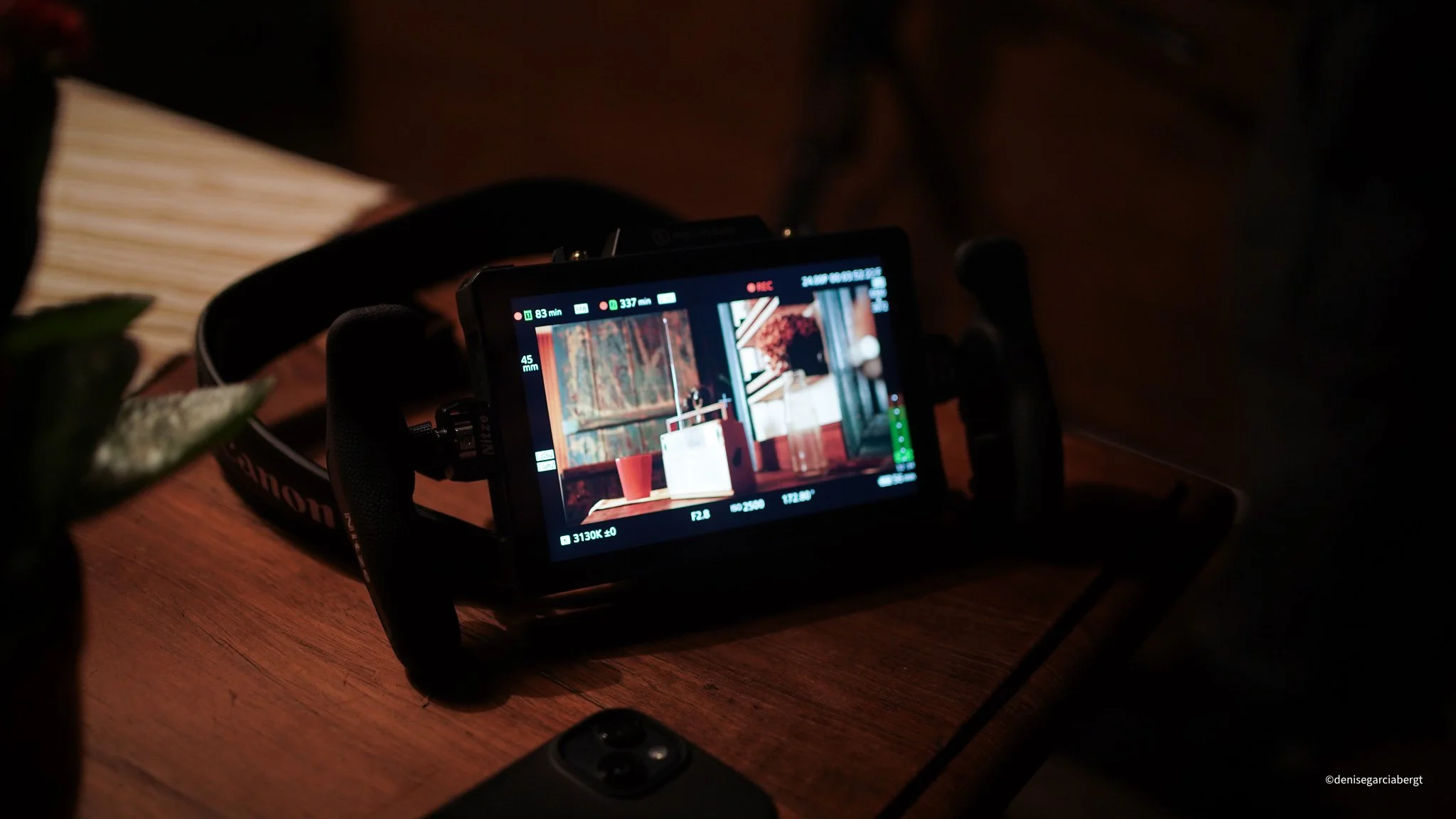
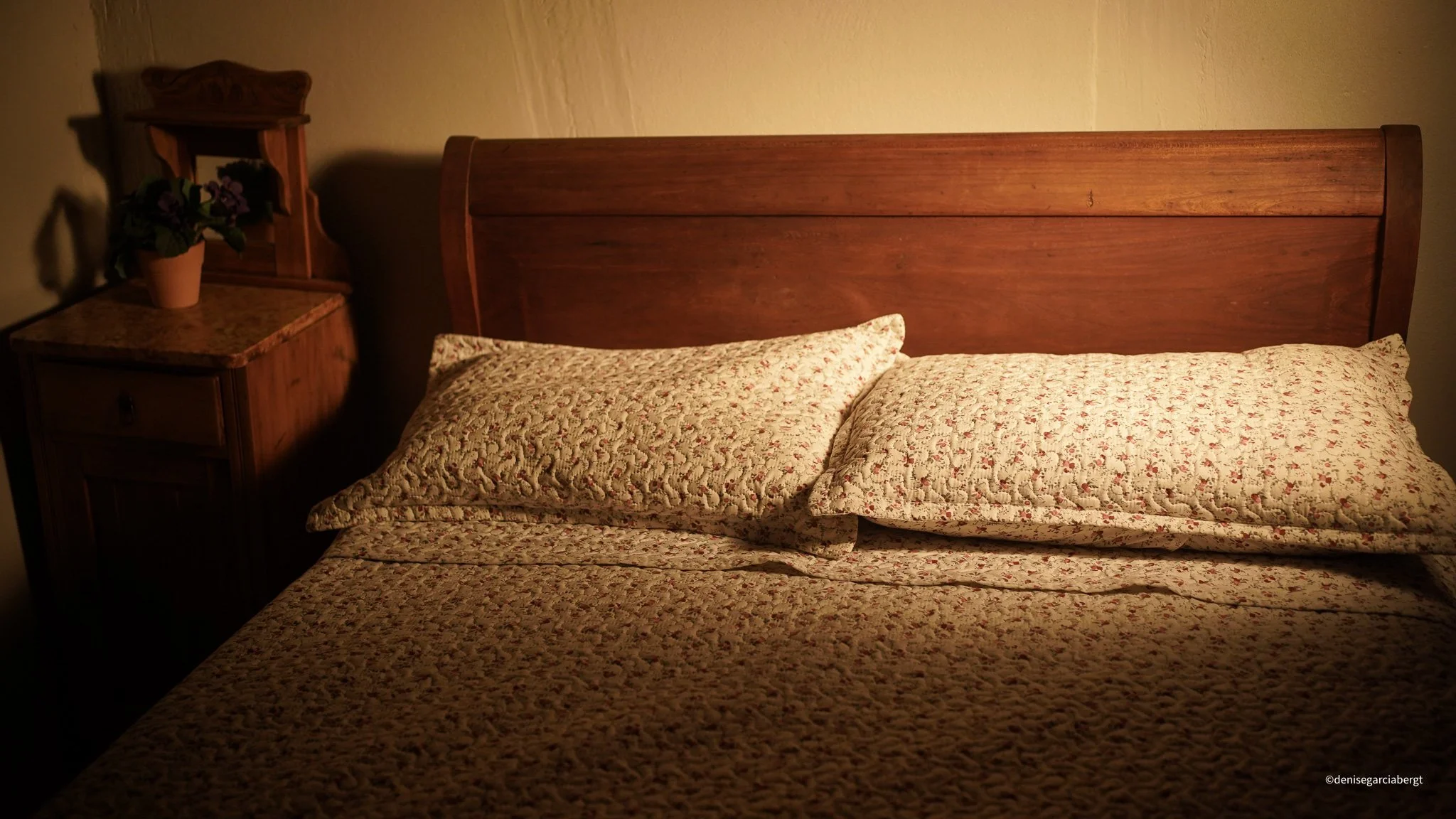
MY FATHER’S ESTATE
In March 2026, I had the pleasure of interviewing the director of My Father’s State, Liliana Sulzbach, and her two co-scriptwriters, Eliane Marques and Taiasmin Ohnmacht, in Porto Alegre in between shootings. These interviews are part of the behind-the-scenes work I am doing for the project.
Liliana Sulzbach is the director and co-scriptwriter of the film MY FATHER’S STATE. She is an award-winning filmmaker whose works include “The Prison and the Street” (2004), “The Invention of Childhood” (2000), and “The Color White” (2000).
Her documentary “The Village” (2012), along with the interactive project "The Invented Village," received numerous awards at film festivals in Brazil and internationally, including the Special Jury Award at the Chicago International Film Festival. The work has also been screened at the South by Southwest Film Festival in Austin, Texas, and at MoMA and Lincoln Center in New York as part of the New Directors/New Films program.
Eliane Marques is a Brazilian poet, novelist, translator, and psychoanalyst born on the Brazil–Uruguay border. Her debut novel Louças de família (2023) won the São Paulo Literature Prize for Best Debut Novel, and her poetry collections include E se alguém o pano (Prêmio Açorianos, 2016) and O poço das marianas(Prêmio Minuano, 2022). Her work explores Black women's ancestral memories and diaspora. She coordinates the Escola de Poesia Amefricana publisher and the Orisun Oro imprint, holds a master's in Public Law, and writes a biweekly column for Zero Hora. She is the co-scriptwriter of the feature documentary film MY FATHER’S ESTATE.
Taiasmin Ohnmacht is a Brazilian psychoanalyst, writer, psychologist, and professor based in Porto Alegre. She has published the novella Visite o Decorado(2019), Vozes de Retratos Íntimos (2021), the Afrofuturist novel Uma chance de continuarmos assim, and the poetry collection Quimeras feito incensos. Her work was a finalist for the São Paulo Literature Prize and semifinalist for the Jabuti Prize, and she won the Prêmio Açorianos/AGES in 2022. She is a member of the Adinkra Collective (Mental Health and Racial Relations), offers psychoanalysis services, teaches post-graduate courses, and gives lectures on racial relations. She is the co-scriptwriter of the feature documentary film MY FATHER’S ESTATE.
PROJECTS
In tarset, by M.I.P.V
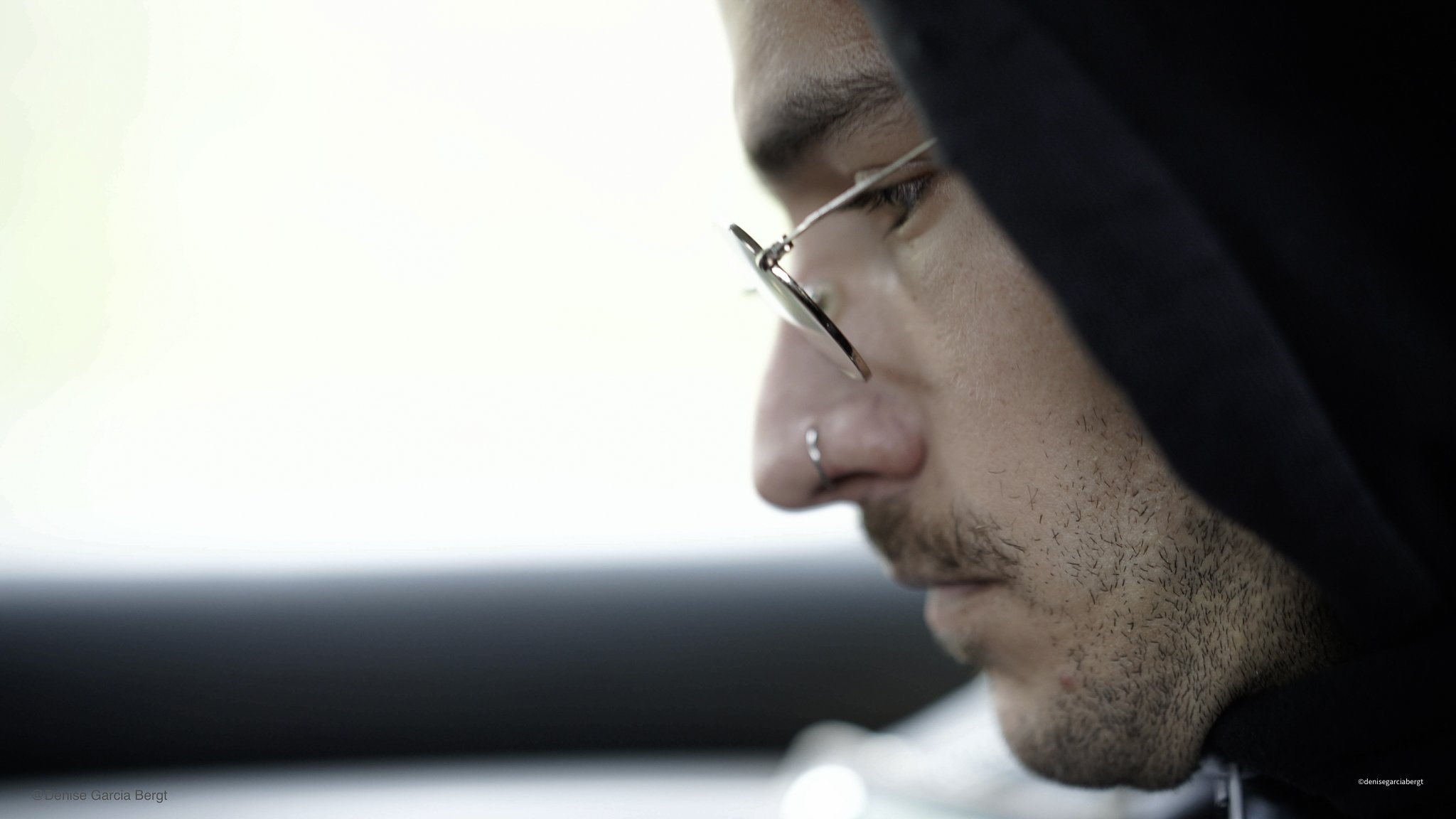
music video by Músicas intermináveis para Viagem (aka M.i.p.V _ Endless music for Tripping) Recorded in Berlin and directed by Denise Garcia Bergt, featuring Laura.aLL and Ignatz Bee, "in Tarset" merges urban scenes with landscapes in a dreamlike atmosphere. The single "in Tarset" was released in October 2024, with Laura.aLL on acoustic guitar and participation of guest musicians: Ignatz Bee (synths, sampler), Marcello Busato (beats, objects, cymbals). This track had also collaboration of Gil Delindro (drums) in the musical research and beat arrangements. @igntxbee @marcellosilviobusato @lauraleiner9911 @gildelindro https://mipv.bandcamp.com/track/in-ta... ***** in Tarset, by M.i.p.V direction, camera and edition: Denise Garcia Bergt featuring Laura.aLL and Ignatz Bee released on Dec.13th.2025, Berlin.
/ musicas.viagem https://mipv-musik.com/ @m.i.p.v.musik
summer holiday
Ferienzeit auf einem Campingplatz in Thüringen: Menschen aus der Region, Touristinnen, Rentnerinnen, Familien und Gruppen von Jugendlichen kommen hier zusammen. Einige sind zum ersten Mal da, andere kehren seit Jahrzehnten zurück. Unterschiedliche Lebensrealitäten, Gedanken und Haltungen treffen auf engem Raum aufeinander.
Die Dokumentation Summer Holiday (AT) begleitet drei Protagonist*innen während der Hauptsaison: eine Mitarbeiterin an der Rezeption, einen pensionierten Dauercamper und eine Familie, die die Sommerferien nutzt, um dem Alltag zu entfliehen. Die Kamera folgt ihnen durch den Alltag auf dem Campingplatz und beobachtet Begegnungen, Routinen und Spannungen.
Der Campingplatz wird dabei zu einem Mikrokosmos, einer temporären Gesellschaft auf Zeit, die trotz räumlicher Distanz viele Dynamiken des gesellschaftlichen Zusammenlebens widerspiegelt. Das Projekt befindet sich derzeit in Entwicklung und untersucht, welche sozialen und politischen Strömungen sich in diesem abgeschlossenen Raum beobachten lassen und wie sie sich im Miteinander der Menschen manifestieren.s.
Frauen besetzen
The house on the corner of Liebigstr. and Rigaer Str. in Friedrichshain, Berlin, was occupied in 1990. When I moved to the area in 2008, just two streets away, it was the only house in the area inhabited exclusively by women and later by FLINTA*. Over time, I got to know some of its residents; I cooked feijoada, the Brazilian bean dish, celebrated a couple of my birthdays there, and attended others’ birthday parties and gigs in the bar, where a friend used to play music every Monday. On some Mondays, we were the only ones there, listening to rock songs performed by women from around the world.
I wouldn’t describe the house as an open-door place—there were tense moments as well—but when it was announced in 2020, during the COVID pandemic, that the residents would be evicted, I felt compelled to document the eviction and speak with those I knew about how they were affected. At the time, I was considering making a documentary about women and house occupations. I remain interested in the topic, although there are fewer such houses in Germany than when I first moved here, and people’s attitudes toward how we live and organize shared spaces have also changed significantly. I ended up not making the film, but I wrote an article about it for the book Rebellisches Berlin: Expeditionen in die untergründige Stadt.